Why Ambuja PPC Cement Is Ideal for Long-Lasting Homes


Table of Content
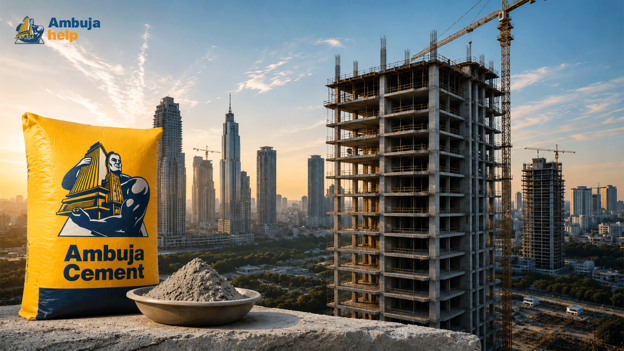
Building a home is a dream that needs thoughtful decisions when deciding on the design and location, to the materials that will shape your home for the decades to come. Among these, choosing the right cement plays a defining role. Cement binds the building together and also determines its long-term strength, finish, and resilience against environmental factors. One of the most dependable and sustainable options for residential construction today is PPC cement, a type of blended cement that offers superior performance, durability, and sustainability for homes that are meant to last generations.
Understanding PPC Cement
PPC cement (Portland Pozzolana Cement) is a blended cement created by combining pozzolanic materials like fly ash or calcined clay with Portland clinker and gypsum. This makes the buildings more durable. Its composition usually includes 15–35% pozzolanic material and the rest being clinker and gypsum.
What makes this cement unique is its ability to offer excellent long-term strength while maintaining workability and resistance to environmental stress. By using industrial by-products like fly ash, it also reduces the carbon footprint that comes with any construction, making it a preferred choice for sustainable housing.
Key Advantages of PPC Cement for Home Construction
1. Long-Term Durability
Homes built with PPC cement are known for their longevity. Its fine particles create a dense microstructure that reduces permeability, protecting the structure from moisture, sulphate, and chloride attacks. This makes it best for foundations, beams, and slabs that must endure varying weather conditions and loads over time.
2. Crack Resistance and Smooth Finish
One of the biggest concerns in home construction is surface cracking caused by heat expanding the walls. PPC cement generates less heat during hydration, significantly reducing the risk of shrinkage cracks.
3. Eco-Friendly and Energy Efficient
Using by-products such as fly ash in PPC cement not only reduces waste but also cuts down on the energy required for production. This makes it an environmentally responsible choice, aligning with the growing demand for sustainable construction materials.
4. Cost Efficiency and Ease of Application
The smooth and workable consistency of PPC cement allows for better mixing and handling, ensuring faster and more efficient construction. Its extended setting time gives masons more flexibility while working, making it suitable for both large-scale and small residential projects.
Ambuja’s Expertise in Sustainable Cement Solutions
Ambuja Cements has long been known for its innovative and eco-conscious approach to construction materials. Its PPC variants are created using advanced manufacturing processes to deliver a balance of strength, durability, and sustainability.
Products like Ambuja Plus, a premium PPC grade developed with Special Performance Enhancer (SPE) technology, extract silicate gel more effectively, resulting in denser, leak-resistant concrete. Similarly, Ambuja Buildcem, another variant, utilises fly ash to conserve natural resources while ensuring strong and long-lasting structures.
How PPC Cement Compares to Portland Slag Cement
While both PPC and Portland slag cement are blended varieties that enhance performance and reduce environmental impact, their composition and ideal applications differ. Portland slag cement is produced by mixing granulated blast furnace slag with clinker and gypsum. It offers excellent resistance to chemical attacks, making it more suited for industrial and marine structures.
PPC cement, on the other hand, provides a fine balance of workability, finish, and long-term strength, which makes it ideal for residential and general construction. For homeowners, the smooth plastering quality and reduced risk of cracking make PPC a superior choice for interior and exterior finishes alike.
Applications in Residential Construction
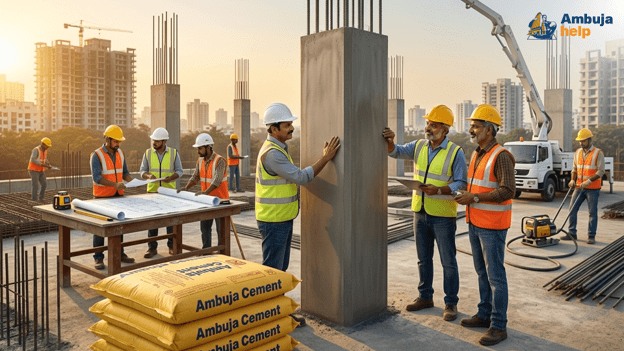
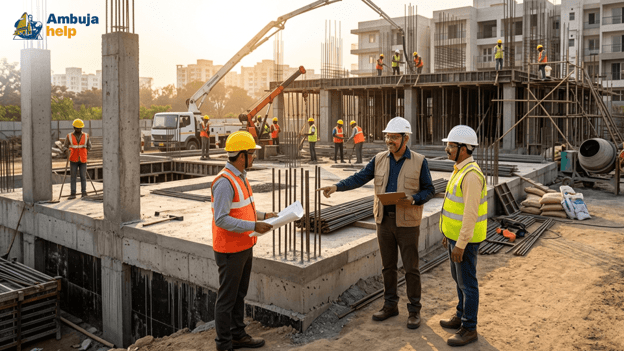
1. Foundations and RCC Work
PPC cement ensures the strength and stability needed for foundational elements like slabs, columns, and beams. It absorbs less heat, and its dense properties help prevent cracks, maintaining the structural integrity of your home over time.
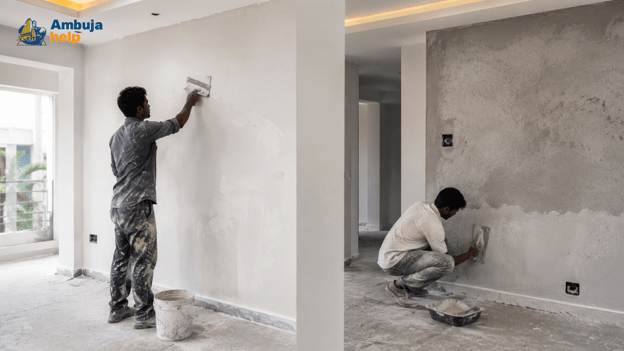
2. Masonry and Plastering
The fine particle size ensures better bonding and smoother plaster surfaces. It also reduces the chance of efflorescence, i.e. the white salt deposits often seen on walls, ensuring a cleaner, more aesthetic finish.
3. Roofs and Water Tanks
For water-retaining or exposed structures, PPC cement offers excellent impermeability and resistance to seepage, ensuring long-lasting protection against moisture.
4. Flooring and Tiling
Its high density provides a firm and crack-free base, making it suitable for strong, smooth, and durable floors.
Cement Booking Made Easier
In today’s digital age, homeowners can easily plan and manage their construction materials. Ambuja has made cement booking online simple and convenient, helping builders and homeowners access high-quality products without hassle.
The ease of ordering construction material online allows users to explore different types of cement, compare their technical advantages, and choose the one that best fits their project needs. It eliminates delays and ensures a smoother workflow from foundation to finishing.
Conclusion
The essence of a lasting home lies in the materials that build it. With its superior workability, durability, and resistance to external stress, PPC cement stands out as a trusted choice for long-term construction. Its eco-friendly composition aligns with sustainable building goals, ensuring that every brick laid contributes to a greener future.
By combining innovation with environmental responsibility, Ambuja continues to define the standards of modern construction. Choosing the right cement isn’t just about strength; it’s about creating homes that endure through generations while caring for the planet.