Which Bricks Are Best for House Construction: Cement Bricks or Clay Bricks?


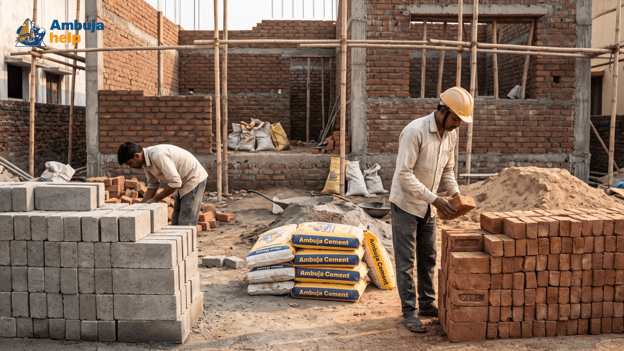
Table of Content
A strong home starts with the right building materials, but choosing the most expensive option does not always mean getting the best results. Cement Bricks and clay bricks each have their own advantages.
The right choice depends on your budget, construction needs, and the kind of home you want to build. Comparing these options can help you balance cost, durability, and indoor comfort before construction begins.
1. Understanding the Different Wall Materials
Before comparing materials, it helps to understand how each one is made and where it is commonly used. Cement Bricks are manufactured using cement, sand, aggregates, and water. Their properties depend on the mix design, manufacturing process, and curing conditions. Concrete masonry units are available in different sizes and strengths, making them suitable for various walling applications.
Clay bricks, commonly called Clay Bricks, are made from natural clay shaped into units and fired in kilns. Their appearance, strength, and thermal properties vary according to the clay composition and firing process.
Concrete blocks are another option. They are available in solid and hollow forms and can cover larger wall areas per unit than conventional bricks. Like the Ambuja Cool Walls Concrete Blocks, which are designed with heat-barrier technology to help maintain a more comfortable indoor environment.
2. Cement Bricks vs. Clay Bricks: Key Differences
Both materials can work well in residential construction when selected according to the building design. The right choice depends on more than strength or purchase price.
| Comparison factor | Cement-based masonry units | Clay bricks |
|---|---|---|
| Main materials | Cement, aggregates, sand, and water | Natural clay |
| Manufacturing | Moulding and controlled curing | Shaping and kiln firing |
| Size and shape | Often consistent when quality-controlled | Can vary depending on manufacturing |
| Thermal comfort | Depends on density, thickness, and insulation | Depends on density, porosity, and wall construction |
| Appearance | Usually grey or finished with plaster or cladding | Traditional reddish tones or exposed-brick finishes |
| Installation | Larger units can reduce the number of joints | Smaller units generally require more mortar joints |
| Environmental impact | Depends on cement content, production, and transport | Depends on clay sourcing, kiln fuel, and transport |
Neither material is automatically better for every home. The quality of the units, wall thickness, workmanship, and overall design all influence the final result.
3. Which Material Offers Better Strength and Durability?
Wall strength is a major consideration, especially in multi-storey homes and buildings exposed to challenging weather conditions. Concrete masonry units can offer consistent strength when manufactured and tested to the required specifications. Their suitability depends on whether the units are intended for load-bearing or non-load-bearing walls.
Clay bricks can also provide reliable performance when they meet the relevant standards. However, their strength and water absorption vary with the raw material and firing process. When comparing Cement Bricks with clay alternatives, homeowners should consider:
- Specified strength: Choose units that meet the structural design requirements.
- Water absorption: Excessive absorption may affect durability and the performance of finishes.
- Mortar compatibility: The mortar should suit the masonry units and the intended application.
- Workmanship: Proper alignment, joint filling, and curing where required are essential.
For structural walls, the final decision should follow the recommendations of a qualified engineer rather than general assumptions about one material being stronger than another.
4. Which Material Helps Keep a Home Cooler?
Indoor comfort matters, especially during India's hot summers. The materials used for your walls can affect how much heat enters your home, but the overall design also plays an important role. Clay bricks can absorb and store heat, helping reduce sudden temperature changes. However, how cool a home feels also depends on wall thickness, insulation, roof treatment, ventilation, windows, and the local climate.
For homeowners exploring alternatives to traditional brick walls, Ambuja Cool Walls Concrete Blocks offer another option. Made with heat-barrier technology, they are designed to help keep indoor spaces up to 5°C cooler under suitable conditions, making them worth considering for a more comfortable home.
5. Compare the Total Construction Cost
The cheapest unit is not always the most economical choice. A proper cost comparison should include materials, transportation, mortar, labour, plastering, and finishing. Larger concrete blocks may cover more wall area per unit, potentially reducing the number of units and mortar joints required. However, savings depend on the block dimensions, site conditions, and labour practices.
Clay bricks may be readily available in many locations, which can make transportation and sourcing more convenient. Before making a decision, ask contractors to estimate the complete walling cost for both options. This provides a more realistic comparison than looking at the price per brick alone.
6. Consider Construction Speed and Maintenance
Construction speed matters when managing labour expenses and project timelines. Larger masonry units can help cover wall areas faster, provided workers are familiar with the installation method. Ambuja Cool Walls blocks are joined using Blockol, a premixed joining mortar that is prepared with water. Meaning the overall process is made to simplify joining and save construction time and resources.
Traditional clay-brick masonry follows its own mortar, curing, and finishing requirements. Both systems need proper detailing around doors, windows, service openings, and wall junctions. For long-term maintenance, look for materials and construction methods that help limit moisture problems, plaster damage, and recurring repairs. Correct drainage, suitable external finishes, and well-sealed openings are important regardless of the wall material.
7. How to Choose the Right Material for Your Home
The best choice depends on your priorities, budget, and construction requirements.
- For traditional aesthetics: Clay bricks may suit homes where exposed-brick finishes or a classic appearance are desired.
- For faster wall construction: Larger concrete blocks may reduce the number of units and joints required.
- For thermal comfort: Compare the complete wall systems, including thickness, insulation, and finishes.
- For structural safety: Follow the engineer's specifications for strength, wall type, and building loads.
- For cost management: Compare installed costs rather than unit prices alone.
Ambuja Cement is a premium source to consider when selecting cement for construction work. The cement used in mortar and concrete should meet the relevant specifications and be suitable for the intended application.
Conclusion
Choosing between Cement Bricks and clay bricks depends on your home's design, budget, climate, and construction requirements. Both can deliver dependable results when quality materials and correct building practices are used.
Concrete blocks offer another practical option for homeowners seeking efficient wall construction and improved thermal comfort. By comparing strength, installation costs, maintenance, and indoor performance, homeowners can select a suitable walling system for their needs. A well-planned decision at the beginning can help create a comfortable, durable home that remains practical for years to come.
Frequently Asked Questions
Q1. Are cement bricks better than clay bricks for house construction?
Neither material is always better. Cement bricks and clay bricks have different properties, costs, and installation requirements. The right choice depends on structural design, local availability, climate, and budget. Ambuja Cement supports construction needs through suitable cement products.
Q2. What is the difference between cement bricks and concrete blocks?
Cement bricks are commonly made using cement-based mixtures, while concrete blocks are larger masonry units made from concrete. Their dimensions, weight, and properties vary. Concrete blocks may reduce the number of units required, depending on the wall design and construction method.
Q3. Which wall material is suitable for hot Indian summers?
Indoor comfort depends on wall material, thickness, insulation, roof treatment, ventilation, and local climate. Clay bricks can provide thermal mass, while specialised concrete blocks offer alternatives. Ambuja Cool Walls Concrete Blocks use heat-barrier technology designed to help keep interiors cooler under suitable conditions.
Q4. Are concrete blocks a good option for budget homes?
Concrete blocks may help reduce construction time and mortar use because they are often larger than conventional bricks. However, overall savings depend on transport, labour, availability, and finishing requirements. Compare the complete wall construction cost before choosing a material for your home.
Q5. How should homeowners choose materials for their walls?
Consider the project's budget, structural requirements, local climate, and material availability before making a decision. Discuss suitable masonry options with your engineer or contractor. Ambuja Cement products can support different construction needs when selected according to project specifications and application requirements.