What Is the Role Of Construction Material Suppliers in Piling Work


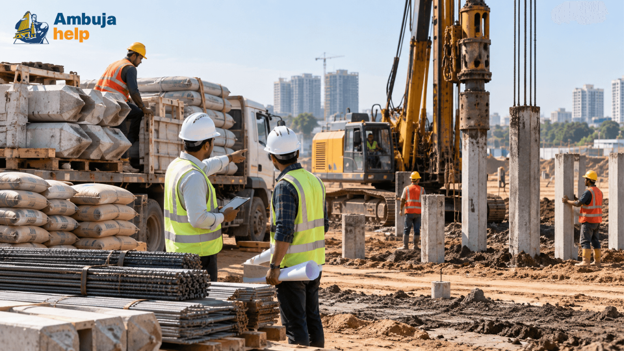
Table of Content
Piling work forms the foundation of many large and complex structures. When the surface soil cannot safely support the required load, piles transfer the load deeper into stronger soil or rock layers. But good piling is not only about drilling to the required depth. The quality, availability, and timely delivery of construction materials also play an important role.
This is where reliable construction material suppliers become important. From arranging cement and steel to maintaining delivery schedules and supporting quality checks, the right supplier can help piling work stay organised, efficient, and compliant with project requirements.
Why Do Materials Matter in Piling Work?
Piling involves several stages, including boring, reinforcement placement, concreting, and testing. Each stage depends on materials meeting the required specifications.
For example, concrete used in piles needs appropriate strength and consistency, while reinforcement steel must meet the design requirements. Delays or quality issues with either can affect the construction schedule.
| Material | Role in piling work |
|---|---|
| Cement | Key binding material used in concrete |
| Aggregates | Form an important part of concrete |
| Steel reinforcement | Provides structural reinforcement to piles |
| Water | Required for concrete mixing and workability |
| Admixtures | May be used to achieve specific concrete properties |
| Drilling fluids | May be required for certain piling methods and ground conditions |
1. Ensuring Material Quality
One of the biggest responsibilities of construction material suppliers is providing materials that meet the specifications required for the project. For piling work, material quality is especially important because most of the pile remains underground and cannot be easily checked later. Use materials from trusted manufacturers, such as Ambuja Cement, and choose the right cement based on the project requirements and an engineer’s advice.
2. Maintaining a Reliable Supply
Piling is often carried out as per a planned sequence. If essential materials do not arrive on time, the workers cannot work on it, leading to time delays. A dependable supplier helps project teams plan deliveries around the construction schedule. This is particularly important when large quantities of concrete are required within a limited period.
Before finalising a supplier, check:
- Previous delivery track record.
- Ability to handle bulk requirements.
- Availability of materials in the required location.
- Transportation arrangements.
- Response time during urgent requirements.
This basic due diligence can reduce avoidable interruptions at the site.
3. Supporting Proper Material Planning
Piling projects need materials in large quantities, so proper planning is important. Ordering too much can lead to storage and wastage, while too little can cause delays. Quantities should be based on approved drawings, structural calculations, and project needs.
When considering an Ambuja Cement dealership, project teams should also check product availability, specifications, delivery support, and commercial terms before placing orders.
4. Providing Documentation and Certifications
Quality documentation gives project teams greater visibility into the materials being used. Depending on the material and project requirements, suppliers may provide information such as:
- Product specifications.
- Test certificates.
- Batch details.
- Applicable quality certifications.
- Delivery records.
- Invoices and purchase documentation.
Keeping these records organised can make quality checks easier and provide useful documentation throughout the construction process.
5. Maintaining Transparent Pricing
Cost control is another important part of piling procurement. Material prices can significantly influence the overall construction budget, particularly when the project requires large quantities. Suppliers should clearly communicate product prices, transportation costs, taxes, minimum order requirements, and other applicable charges.
If a project team chooses to buy cement online, it should compare the complete delivered cost rather than looking only at the listed price. Product details, seller credibility, delivery terms, and documentation should also be checked before placing an order.
6. Helping With Technical Requirements
A supplier's role does not necessarily end when the material reaches the site. Technical support can also be useful when teams need product information, application guidance, or documentation.
However, suppliers should not replace the role of engineers or project consultants. Decisions related to concrete design, reinforcement, pile dimensions, load capacity, and construction methods should come from qualified professionals.
What Should You Check Before Selecting a Supplier?
A simple evaluation can help project managers make a more informed decision.
| Factor | What to check |
|---|---|
| Experience | Previous projects and market track record |
| Quality | Product specifications and certifications |
| Delivery | Capacity, timelines, and logistics |
| Pricing | Clear rates without unexplained charges |
| Support | Responsiveness and technical information |
| Documentation | Test reports, invoices, and batch records |
For sourcing cement, an Ambuja Cement dealership can be considered for local availability and reliable supply. However, the main focus should be on whether the supplier can meet the project’s quality, quantity, and delivery needs.
The Supplier Is Part of the Project Chain
Piling work depends on coordination between engineers, contractors, equipment operators, testing teams, and material suppliers. A delay or quality issue at one point can affect the entire sequence.
Reliable construction material suppliers help by bringing consistency to procurement, delivery, documentation, and material availability. For project managers, the goal should not simply be to find the cheapest supplier, but to establish a supply process that supports quality, scheduling, and cost control.
Frequently Asked Questions
Q1. What is a house construction calculator?
A house construction calculator is a digital tool that provides estimated material quantities and construction costs based on details such as built-up area, floors, and project specifications.
Q2. Can a house construction calculator help reduce material wastage?
Yes. A house construction calculator can provide approximate material requirements, helping homeowners plan purchases better, avoid unnecessary bulk buying, and identify potential wastage before construction begins.
Q3. How can I plan cement requirements for my house?
Start with the project’s built-up area, structural design, and construction requirements. Use calculator estimates as a guide, then confirm final cement quantities with your engineer or contractor.
Q4. How should cement be selected for house construction?
Cement should be selected based on quality, application, and project specifications. Homeowners can explore Ambuja Cement and check authorised Ambuja dealers for genuine products and current details.
Q5. Does a construction calculator give accurate material quantities?
A calculator provides preliminary estimates, not final quantities. Actual requirements depend on approved drawings, structural calculations, construction methods, and site conditions, so professionals should verify them before purchase.