What Is M20, M25, M30 Concrete Grade? Which One Should You Use For Your Home?


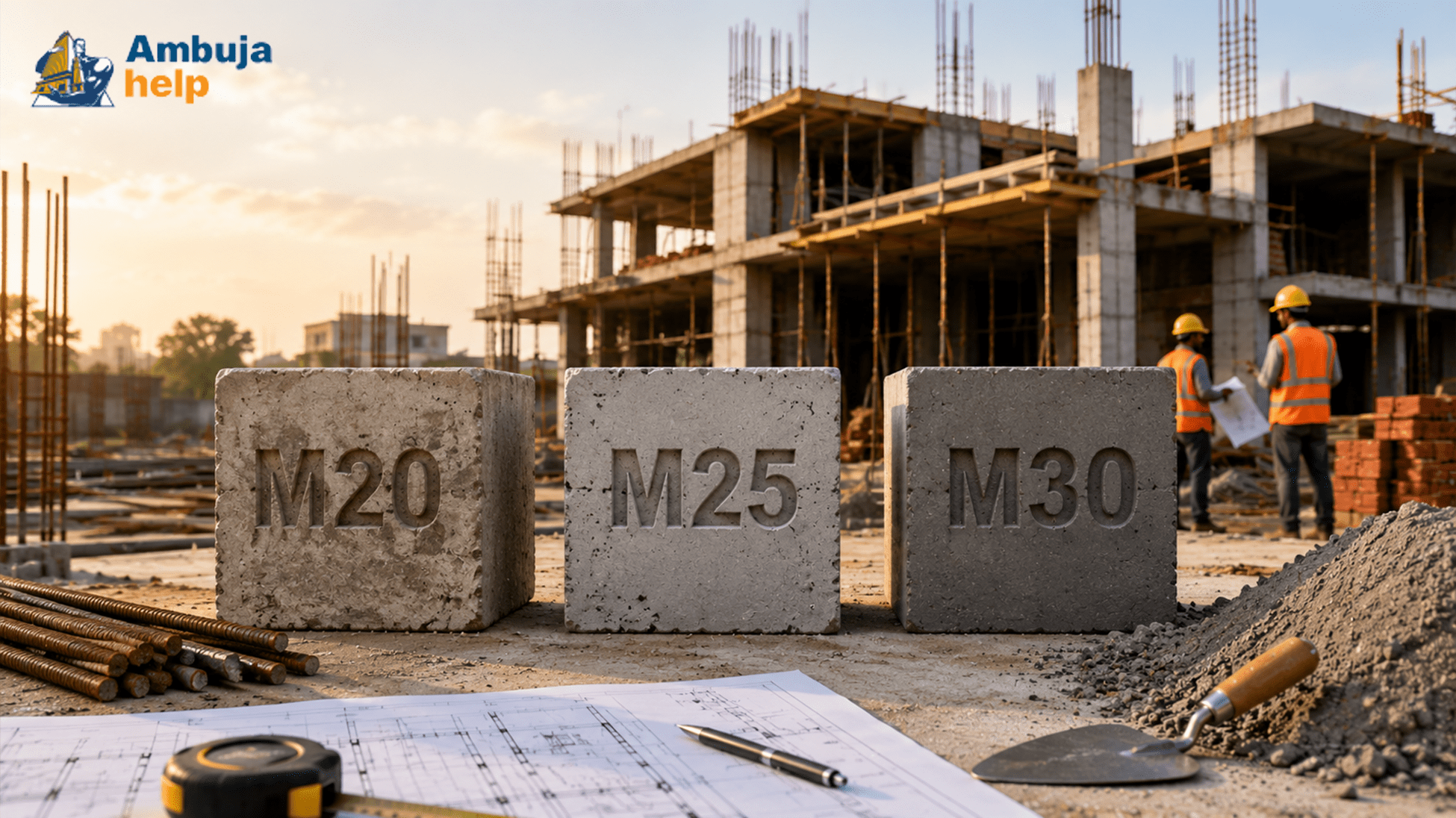
Table of Content
When building a home, many materials go into house construction, such as tiles, paint, and layout. But some of the most important choices are hidden within the structure itself. One such decision is selecting the right concrete grade.
If you’ve come across terms like M20, M25, and M30, you’re already on the right track. These numbers define the grades of concrete and directly impact the safety, durability, and cost of your home.
Let’s simplify what these grades mean and how to choose the right one.
Understanding Concrete Grades in Simple Terms
Concrete grades indicate the compressive strength of concrete after 28 days of curing. In simpler words, they tell you how much load the concrete can handle before it starts to fail.
Here’s how concrete grades M20, M25, and M30 compare:
| Grade | Strength (MPa) | Practical Meaning |
|---|---|---|
| M20 | 20 MPa | Suitable for standard residential construction |
| M25 | 25 MPa | Better strength for reinforced structures |
| M30 | 30 MPa | High strength for heavy-duty applications |
A higher number means stronger concrete, but that doesn’t mean you always need the highest grade. The key is choosing what fits your structure.
Where Each Grade Is Commonly Used
Different parts of a building require different levels of strength. This is where understanding M20 vs M25 vs M30 becomes important.
M20 Concrete: The Standard Choice
M20 is the most widely used concrete grade in residential construction. It offers a practical balance between strength and affordability.
Common applications:
- Slabs and floors
- Beams and columns in small homes
- Footings and foundations
It works well for typical houses where load requirements are moderate and predictable.
M25 Concrete: A Step Up in Strength
M25 provides higher strength and durability compared to M20. It is commonly used when buildings need to handle slightly more load or require better performance over time.
Common applications:
- Reinforced concrete structures
- Larger residential homes
- Medium-sized commercial buildings
It also performs better in areas exposed to the outside world, such as moisture or temperature variations.
M30 Concrete: For High-Performance Needs
M30 is a high-strength concrete grade used in demanding construction conditions. It offers superior durability and structural integrity.
Common applications:
- High-rise buildings
- Heavy-load structures
- Complex foundations
This grade is typically chosen when safety margins need to be higher or when the structure will face significant stress over time.
Comparing M20, M25, and M30 at a Glance
| Feature | M20 | M25 | M30 |
|---|---|---|---|
| Strength | Moderate | High | Very High |
| Cost | Lower | Medium | Higher |
| Durability | Good | Better | Excellent |
| Usage | Standard homes | RCC structures | Heavy-duty projects |
This comparison shows that while higher grades offer better performance, they also come with increased costs. The goal is to match the grade with your actual requirement and not to overbuild.
What Influences Concrete Cost per m³?
The cost of concrete is not determined by grade alone. Several factors influence the final price you pay.
1. Grade of Concrete
Higher grades require more cement and stricter mix designs, increasing overall cost.
2. Production Method
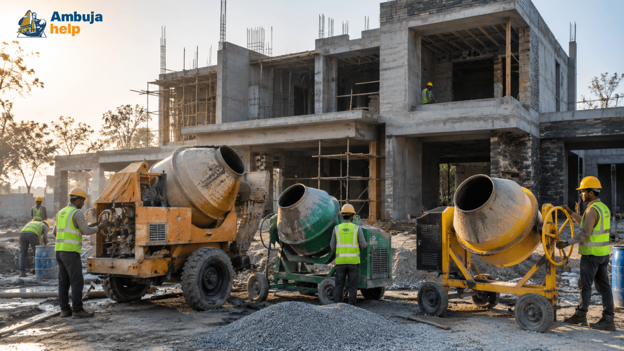
Ready mix concrete (RMC) is produced in batching plants and offers consistent quality. While it may cost slightly more than site-mixed concrete, it reduces wastage and improves efficiency.
3. Raw Material Quality
The quality of cement, aggregates, and admixtures plays a major role in both performance and cost.
4. Transportation and Pumping
Distance from the batching plant and the need for pumping equipment can add to the overall expense.
5. Quantity Ordered
Ordering in bulk can help reduce the cost per cubic meter due to better logistical efficiency.
Choosing the Right Grade for Your Home
Selecting the correct concrete grade for house construction is about choosing the most appropriate one. Here’s a simple way to decide:
| Construction Need | Recommended Grade |
|---|---|
| Standard residential home | M20 |
| Larger or reinforced structures | M25 |
| High-load or premium construction | M30 |
Using a higher grade than necessary increases cost without adding real value. On the other hand, using a lower grade than required can compromise safety and durability.
The Importance of Quality Materials
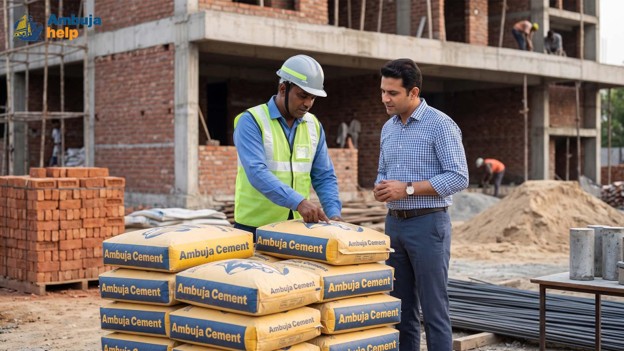
Even the best concrete grade won’t deliver results if the materials used are substandard. Consistency in mixing, proper curing, and high-quality cement are equally important. This is why many homeowners rely on trusted cement brands. Ambuja Cement comes into the picture for our reliable and budget-friendly premium cement solutions that help maintain consistent concrete quality across projects.
Final Thoughts
Concrete grades like M20, M25, and M30 play a crucial role in determining how strong and durable your home will be. Understanding the strength of concrete grades helps you make informed decisions that balance safety, performance, and cost.
That said, it’s important as a homeowner or a builder to make sure not to choose concrete simply based on its strength alone. Instead, this decision should be taken based on the requirements of the location and the building’s architecture. And when all is planned correctly, the right concrete grade ensures your home remains safe, stable, and long-lasting for years to come.
Frequently Asked Questions
Q1. What is the best cement in India for home building?
The best cement ensures strength, consistency, and durability. Ambuja Cement is widely trusted for its premium yet cost-effective solutions, helping homeowners achieve reliable construction quality across different grades and applications.
Q2. Why does cement quality matter for concrete grades?
Concrete strength depends on cement quality. Using trusted brands like Ambuja Cement ensures consistent mix performance, better bonding, and reliable strength across M20, M25, and M30 grades in construction.
Q3. Which concrete grade is ideal for residential homes?
M20 is commonly used for homes, but quality materials are essential. Ambuja Cement supports consistent strength and durability, ensuring residential structures perform reliably over time without unnecessary cost increases.
Q4. How can I ensure better concrete performance on-site?
Use the right grade, proper curing, and quality materials. Ambuja Cement helps maintain consistent mix quality, reducing variability and improving long-term strength and durability in construction projects.
Q5. Does a higher concrete grade always mean better construction?
Not always, choosing the right grade matters more. With reliable materials like Ambuja Cement, even appropriate grades like M20 or M25 deliver strong, durable, and cost-efficient construction outcomes.