What is DPC in Building Construction? Meaning, Types, and Importance


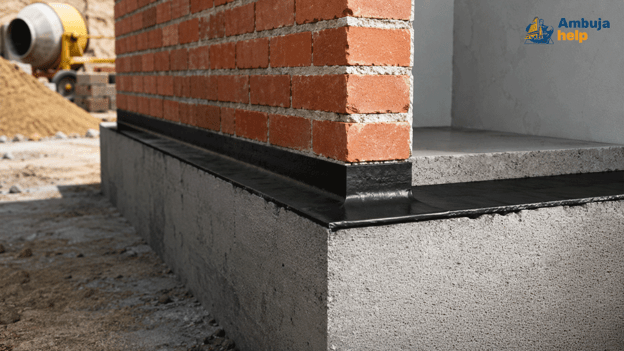
Table of Content
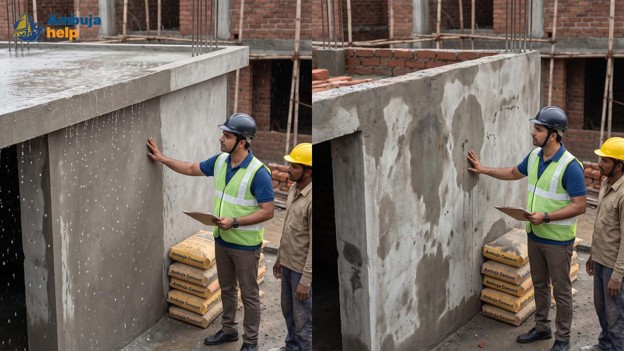
Have you ever noticed damp patches on walls, peeling paint, or a musty smell inside a room? Many people assume these problems are caused by poor-quality paint or a leaking pipe. While that may sometimes be true, one of the most common reasons is moisture rising from the ground through the walls.
This is where a Damp-Proof Course (DPC) plays a crucial role. It acts as a protective barrier that prevents moisture from entering the structure and damaging the building over time.
Let's understand what DPC means, its types, importance, installation process, and common mistakes to avoid.
What is DPC?
The full form of DPC is Damp-Proof Course. It is a waterproof layer applied to the walls, floors, or foundations to prevent moisture from travelling upward. Simply put, it creates a barrier between the ground and the building structure, keeping walls dry and preventing long-term water damage.
Why is DPC Important in Building Construction?
Without a proper damp-proof course, moisture gradually enters the walls and weakens different parts of a building. Over time, this can lead to expensive repairs and reduced structural life.
Common Problems Prevented by DPC
| Problem | Impact on the Building |
|---|---|
| Peeling paint | Damages interior and exterior finishes |
| Damp patches | Creates an unpleasant appearance |
| Efflorescence | Leaves white salt deposits on walls |
| Mold and fungal growth | Affects indoor air quality |
| Corrosion of steel | Weakens reinforced concrete structures |
| Damage to wooden furniture | Causes swelling and decay |
| Reduced structural life | Increases maintenance costs |
Installing a proper damp-proof course during building construction is a small investment that helps avoid significant repair costs in the future.
How Does a Damp-Proof Course Work?
Water naturally moves upward through tiny pores present in bricks, mortar, and concrete. This process is known as capillary action. A damp-proof course interrupts this movement by creating a layer inside the wall. As a result:
- Walls remain dry.
- Paint lasts longer.
- Plaster stays intact.
- Indoor air quality improves.
- The building remains structurally stronger.
The effectiveness of any DPC depends on selecting suitable materials and ensuring proper installation without gaps or damage.
Where is DPC Installed?
The location of a damp-proof course is just as important as the material used. Typically, DPC is installed around 150–300 mm above the ground level, usually at the plinth level. Other common installation areas include:
| Location | Purpose |
|---|---|
| Plinth level | Prevents rising damp from the ground |
| Below floor slabs | Stops moisture from entering the flooring |
| Basement walls | Protects underground structures |
| Retaining walls | Prevents water penetration |
| Roof parapets | Reduces seepage from rainwater |
| Door and window openings | Prevents localized dampness |
| Terrace junctions | Protects vulnerable construction joints |
Correct placement creates a continuous moisture barrier throughout the structure.
Types of Damp-Proof Course
Different projects require different DPC materials depending on structural requirements and environmental conditions.
| Type | Features | Common Applications |
|---|---|---|
| Flexible DPC | Can accommodate minor movement | Bituminous felt, plastic sheets, polythene membranes |
| Semi-Rigid DPC | Offers flexibility with strength | Mastic asphalt and bitumen compounds |
| Rigid DPC | High compressive strength | Rich cement mortar, stone slabs, waterproof concrete |
| Integral DPC | Waterproofing compound mixed into concrete or mortar | Modern residential and commercial structures |
Each type offers varying levels of moisture resistance depending on the construction requirements.
Common Materials Used for DPC
Several materials are used to create an effective damp-proof barrier.
| Material | Benefits |
|---|---|
| Bitumen | Excellent water resistance and flexibility |
| Mastic Asphalt | Forms a seamless waterproof layer |
| Rich Cement Concrete | Durable and long-lasting solution |
| High-Density Polythene Sheets | Lightweight and economical |
| Metal Sheets (Copper, Aluminium, Lead) | Exceptional durability for specialized projects |
Selecting quality materials contributes significantly to the long-term performance of the damp-proof course. In this regard, premium cement products from trusted manufacturers such as Ambuja can support durable and reliable construction materials for moisture-resistant applications.
Step-by-Step DPC Installation Process
Proper installation is essential for long-lasting protection.
| Step | Process |
|---|---|
| 1 | Clean and level the masonry surface. |
| 2 | Apply a smooth mortar bed. |
| 3 | Place the selected DPC material evenly. |
| 4 | Seal all joints and overlaps carefully. |
| 5 | Check alignment across the wall thickness. |
| 6 | Continue masonry after proper curing. |
| 7 | Ensure skilled workmanship throughout installation. |
Even the best materials may fail if installed incorrectly, making supervision equally important.
Advantages of Installing DPC in Buildings
A properly installed DPC in Building structures offers several long-term benefits:
- Prevents rising damp and moisture damage.
- Increases the lifespan of walls and structural components.
- Reduces repainting and plaster repair costs.
- Prevents mold and fungal growth.
- Improves indoor comfort and hygiene.
- Keeps walls looking cleaner for longer.
These advantages make DPC an essential component of durable building construction.
Common DPC Installation Mistakes to Avoid
Even a high-quality damp-proof course can fail if basic installation practices are overlooked.
| Mistake | Result |
|---|---|
| Installing at the wrong height | Moisture bypasses the barrier |
| Using poor-quality materials | Reduced durability |
| Leaving gaps between sections | Water penetration |
| Damaging the DPC layer | Loss of moisture protection |
| Insufficient thickness | Limited waterproofing |
| Poor joint sealing | Weak moisture barrier |
| Ignoring corners and junctions | Increased seepage risk |
Careful workmanship and regular supervision ensure that the DPC performs effectively throughout the life of the building.
Conclusion
A damp-proof course may not be visible once construction is complete, but it plays a vital role in protecting every building from moisture-related damage. By preventing rising damp, it helps maintain stronger walls, healthier indoor spaces, and lower maintenance costs for years to come. Whether you're constructing a new home or planning a commercial project, installing the right DPC in Building structures should never be overlooked.
Choose Ambuja Plus Cement to build a stronger, more durable roof that stands the test of time. Explore the range today and give your home the protection it deserves.
Frequently Asked Questions
Q1. Why is DPC important in building construction?
A damp-proof course prevents moisture from rising through walls and foundations, helping protect the building from dampness and structural damage.
Q2. Where is DPC usually installed?
DPC is generally installed at the plinth level and other moisture-prone areas such as basements and retaining walls.
Q3. What materials are commonly used for DPC?
Bitumen, mastic asphalt, rich cement concrete, polythene sheets, and metal sheets are commonly used for damp-proof courses.
Q4. How does quality cement support DPC performance?
Quality cement helps create strong, durable concrete that works effectively with waterproofing measures to improve moisture resistance.
Q5. Why is proper DPC installation important?
Even the best DPC materials may not perform well if they are installed incorrectly. Proper workmanship ensures long-lasting protection against dampness.