What Is a Cavity Wall? Types, Advantages & Applications Explained


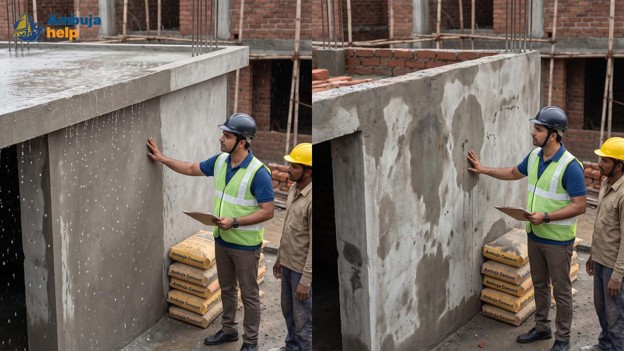
Table of Content
A wall does more than separate one room from another. External walls protect your home from heat, rain, wind, and outside noise, while also helping maintain indoor comfort. A cavity wall takes this protection a step further by using two wall layers with a gap between them.
This space can help reduce heat transfer, limit moisture movement, and improve insulation. But how does a cavity wall work, what types are commonly used, and where is it most useful? Read on to understand cavity walls, their advantages, applications, and the construction practices that help them perform effectively.
What Is a Cavity Wall?
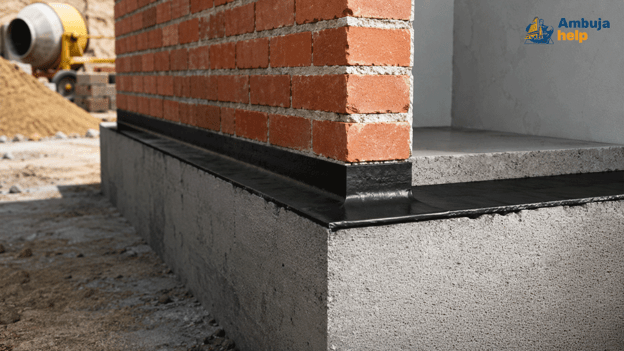
A cavity wall consists of two separate layers, or skins, with an air space between them. The outer layer faces weather, while the inner layer faces living space. The gap can remain empty or contain insulation, depending on the design. The cavity slows heat transfer and helps prevent rainwater from reaching the inner wall. Wall ties connect the skins. The system depends on building design and local conditions.
Types of Cavity Walls
Cavity walls can be designed differently depending on climate, insulation needs, space, and construction requirements.
| Type | Main feature | Typical benefit |
|---|---|---|
| Uninsulated | Air gap remains empty | Reduces heat and moisture transfer |
| Insulated | Insulation is placed inside | Better thermal performance |
| Partial | Cavity is used selectively | Useful where space is limited |
How Is a Cavity Wall Constructed?
Both wall skins must be built parallel while maintaining the specified cavity width. The process includes:
- Constructing the outer wall layer.
- Building the inner brick or block layer.
- Maintaining the designed cavity width.
- Installing suitable wall ties.
- Adding specified insulation.
- Detailing openings and joints.
Good masonry is a must. Poorly positioned ties, blocked cavities, or gaps around windows can reduce effectiveness.
Advantages of Cavity Walls
Better Thermal Comfort
The air gap slows heat movement. With suitable insulation, this effect can improve further. In hot climates, it can reduce heat entering the home.
Improved Moisture Protection
The outer wall takes the first impact of rain. A correctly designed cavity separates the weather-facing layer from the inner wall, reducing the chance of moisture reaching indoor surfaces.
Reduced Energy Demand
Better thermal performance can reduce heating or cooling needs. Savings depend on insulation, windows, ventilation, orientation, and building design.
Better Sound Insulation
Two wall layers separated by a cavity can reduce some outside sounds. Performance depends on materials, insulation, openings, and workmanship.
Where Are Cavity Walls Used?
Cavity walls are mainly used for external walls in permanent buildings, especially in areas with high heat, rainfall, or moisture. They can also be useful around openings, roofs, and parapets. However, they may not be necessary for internal partitions or temporary structures. Their suitability depends on the building design, climate, and project requirements, so a qualified professional should make the final decision.
Cavity Wall vs Solid Wall
A solid wall uses one main layer, while a cavity wall uses two layers separated by a gap.
| Feature | Solid wall | Cavity wall |
|---|---|---|
| Construction | Single layer | Two layers with a gap |
| Heat control | Generally lower | Generally better |
| Moisture separation | Limited | Better when correctly detailed |
| Insulation | Internal or external | Can be inside cavity |
| Complexity | Simpler | Requires more planning |
The choice depends on design, budget, climate, and performance requirements.
Role of Cement in Cavity Wall Construction
Cement plays an important role in mortar and other construction work, but cavity wall performance also depends on proper design, materials, and workmanship.
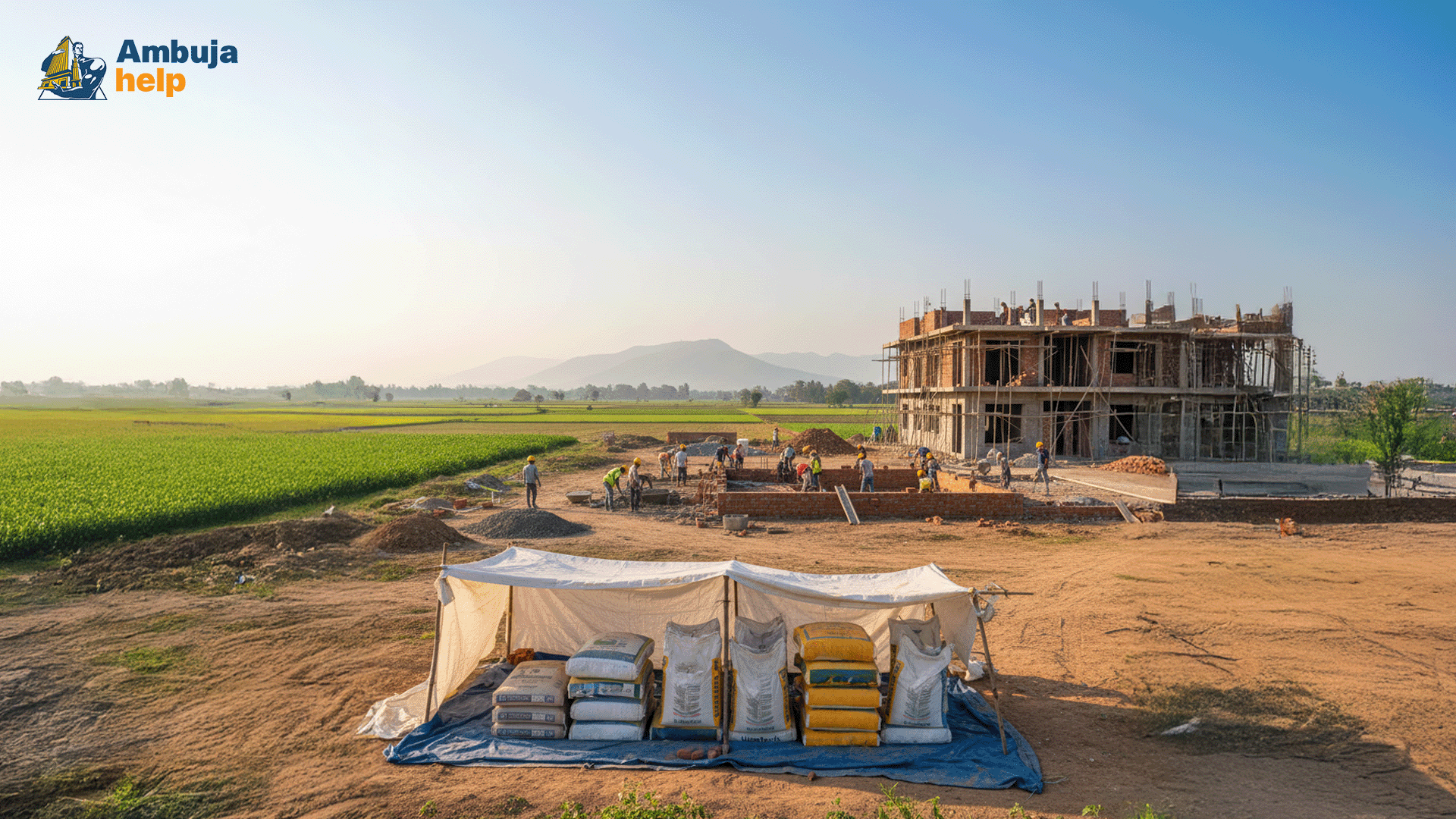
When choosing a cement company, consider:
- Product consistency: Supports predictable performance.
- Quality standards: Check applicable certifications and specifications.
- Availability: Ensures a steady supply during construction.
- Application suitability: Choose cement based on the project's requirements.
Ambuja Cement offers OPC and PPC options for different construction needs. Ambuja Plus, a PPC cement made using SPE technology, is designed to provide enhanced strength and density along with resistance to leakage.
A reliable Cement Manufacturer should provide clear product information. When looking for the Best Cement Company in India, consider quality, suitability, and consistency rather than relying only on price or popularity.
Common Cavity Wall Mistakes
Even a well-designed cavity can underperform when construction details are overlooked.
Avoid:
- Blocking the cavity with mortar droppings.
- Installing wall ties incorrectly.
- Leaving gaps around openings.
- Using unsuitable insulation for moisture conditions.
- Ignoring drainage and ventilation requirements.
- Using inconsistent construction materials.
- Failing to address existing dampness before construction.
Regular inspection helps identify problems early.
Final Thoughts
A cavity wall uses two layers with a gap between them. When properly designed and constructed, it can improve thermal comfort, moisture protection, and sound insulation. When choosing a cement manufacturer, consider quality, consistency, applicable standards, and project suitability rather than price alone. Ambuja Cement can be considered a premium source of quality cement raw materials where its products meet the project's needs.
In the end of the day, if you’re searching for the best cement Company in India, look beyond the brand name. The right materials, proper design, skilled workmanship, and careful planning all contribute to a stronger, more durable building.
Freqently Asked Questions
Q1. What is a cavity wall?
A cavity wall consists of two wall layers separated by a gap. When properly designed and constructed, this space can improve thermal comfort, moisture protection, and sound insulation.
Q2. Where are cavity walls commonly used?
Cavity walls are mainly used for external walls of permanent buildings, particularly homes exposed to heat, rainfall, or moisture, depending on design and professional recommendations.
Q3. Does cement quality matter in cavity wall construction?
Yes. Consistent cement quality can support predictable mortar performance, but overall cavity wall performance also depends on design, materials, wall ties, detailing, and workmanship.
Q4. Which Ambuja cement options can be used for construction?
Ambuja offers OPC and PPC options for different applications. Ambuja Plus is another PPC option designed for enhanced strength and density, depending on project requirements.
Q5. How should homeowners choose cement for cavity wall construction?
Homeowners should consider product consistency, applicable standards, availability, application requirements, and professional recommendations rather than selecting cement based only on price.