The Hidden Risks of Buying Cement Outside of Authorised Cement Dealerships


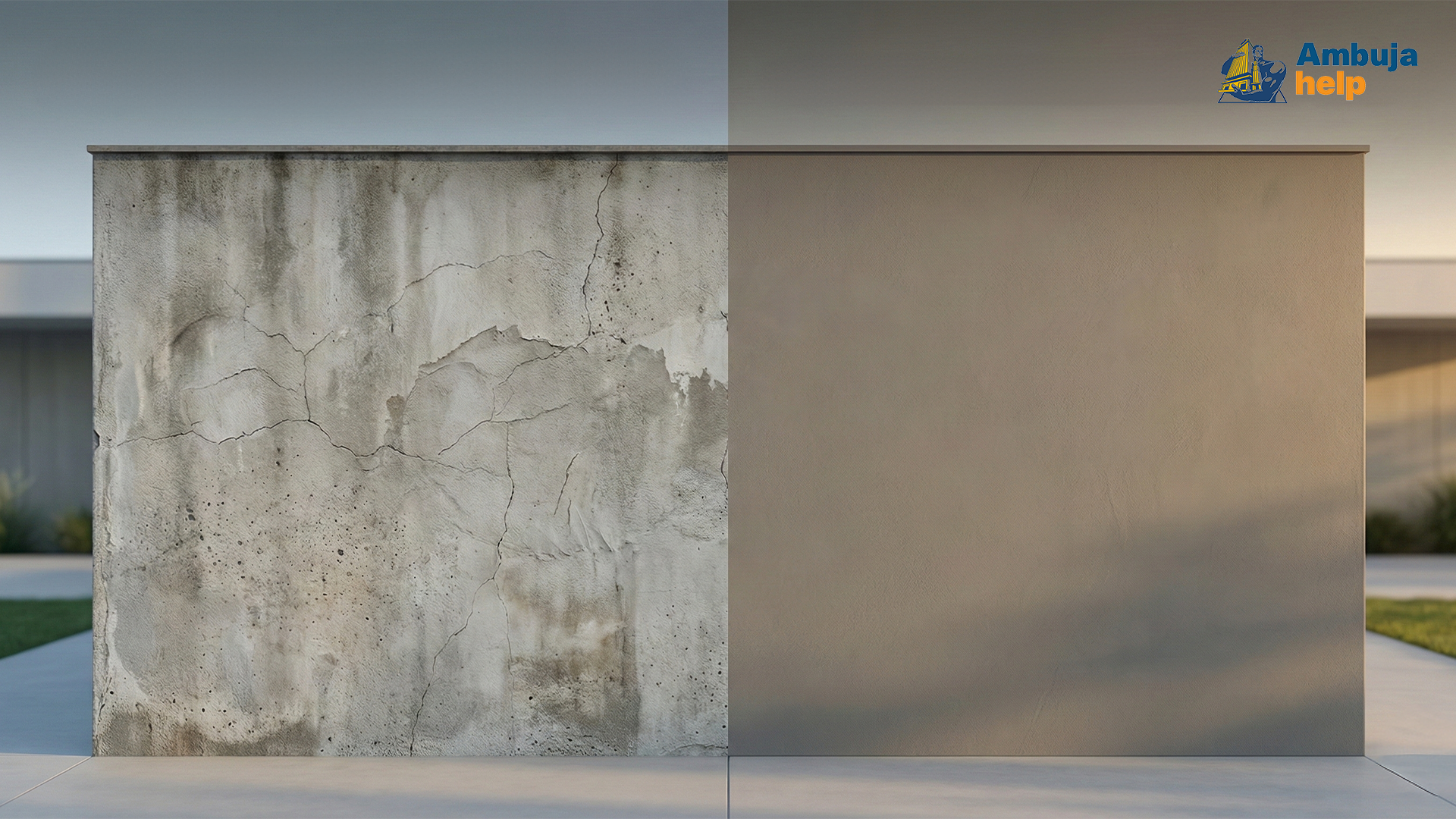
Table of Content
Building a home is a once-in-a-lifetime decision for many families. It requires careful planning and accurate decision-making for house layouts and designs, as well as for material choices, because what you choose today determines how safe, durable, and comfortable the house will be for decades. While materials used in the house are a consideration, often, during the process of collecting them, we overlook the source.
At first glance, cement bags may all look the same. And so is the initial logic to buy from the nearest seller or the one offering the lowest price. But cement is not a product where shortcuts pay off. Buying from unverified or unauthorised sources introduces risks that only surface years later, when repairs become expensive and distressing.
Why Cement Source Matters More Than You Think
Cement binds your home. It keeps together the foundations, columns, slabs, walls, and plaster. Any compromise in its quality affects the entire building. Unfortunately, the market today includes counterfeit products, re-bagged cement, moisture-damaged stock, and expired batches, all sold through unauthorised channels.
These risks aren’t always visible on day one, but their impact grows over time.
Common Risks of Buying Cement Outside Authorised Channels
1. Fake or Tampered Cement Bags
Unauthorised sellers may stock cement that looks genuine but isn’t. Common red flags include:
- Duplicate or poorly printed packaging
- Missing batch numbers or manufacturing dates
- No BIS mark or security seal
Fake or tampered cement has an inconsistent colour and poor binding strength. When used in construction, it leads to cracking, dampness, and reduced load-bearing capacity.
2. Expired or Moisture-Damaged Cement
Cement starts losing strength as soon as it is exposed to air or moisture. Unverified suppliers often:
- Store bags outdoors
- Stack cement directly on the floor
- Mix old stock with fresh batches
This means you might unknowingly use cement that has already lost part of its strength before construction even begins.
3. No Proper Billing or Accountability
Suspiciously low prices often come with strings attached:
- No GST bill
- No proof of purchase
- No traceability if issues arise
Without proper documentation, homeowners have no way to raise complaints or verify authenticity.
4. Lack of Product Knowledge
Different construction stages need different cement types for foundation, slabs, plaster, damp-prone areas, or repairs. Unauthorised sellers often lack basic knowledge, which leads to:
- The wrong cement being used
- Poor storage advice
- Increased risk of moisture-related damage
Incorrect use compromises both durability and performance.
5. Mixing of Low-Grade Materials
Some unverified sellers resort to unethical practices such as:
- Mixing cheaper cement with branded products
- Repacking partially hardened cement
- Combining old and new stock
How These Risks Affect Your Home Over Time
When cement quality is compromised, the effects spread across the structure:
| Area of the Home | Long-Term Impact |
|---|---|
| Foundation | Reduced load-bearing strength |
| RCC Elements | Higher risk of cracks and corrosion |
| Walls & Plaster | Damp patches, efflorescence |
| Roof & Slabs | Leakage and weakened bonding |
| Overall Structure | Shortened lifespan, costly repairs |
How to Protect Yourself as a Homeowner
Being cautious doesn’t require technical expertise. A few simple checks go a long way.
What to Check Before Buying Cement
| Checklist Item | What to Look For |
|---|---|
| Bag Details | Clear logo, batch number, and manufacturing date |
| Certifications | BIS mark and brand authenticity |
| Storage Conditions | Dry, covered space, bags on pallets |
| Billing | Proper GST invoice |
| Pricing | Be cautious of unusually low rates |
Most importantly, always buy from an authorised cement dealership. This single decision eliminates most of the risks associated with fake or damaged cement.
The Role of Trusted Brands and Authorised Dealers
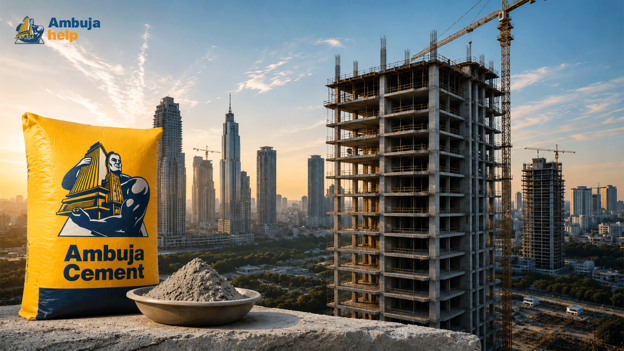
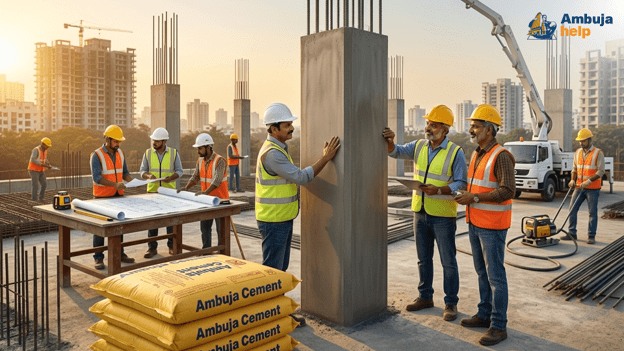
Established manufacturers invest heavily in quality control, packaging security, and dealer training. Ambuja Cement, as a cement manufacturing brand, is known for its products, which deliver consistent quality with strict storage guidelines and a wide network of verified dealers across India.
Authorised dealers are trained to:
- Store cement correctly
- Maintain fresh inventory
- Offer the right product for specific construction needs
- Provide proper billing and traceability
Final Thoughts
Searching for the cheapest cement or choosing the closest seller might feel convenient, but it can cost far more in the long run. Unauthorised cement suppliers expose homeowners to risks that are difficult and expensive to fix later.
Your home deserves a strong, reliable foundation that is built with genuine, well-stored, and application-appropriate cement. By choosing authorised dealers and trusted brands like Ambuja Cement, you protect not just your investment, but also your peace of mind.
In construction, strength begins with smart choices. And the smartest choice is buying the right cement from the right source.
FAQ’s
1. Is ACC Ambuja Cement the same company?
ACC and Ambuja Cement are separate cement brands but belong to the same parent group, the Adani Group. They operate independently with different product portfolios and dealer networks, though both follow strict quality standards and are widely trusted across India for construction materials.
2. Why should I buy cement only from authorised dealers?
Authorised dealers ensure genuine, BIS-certified cement with proper storage and fresh inventory. They provide GST billing, traceability, and product guidance. Buying from verified sources reduces the risk of counterfeit, expired, or moisture-damaged cement that can weaken structures and lead to costly repairs later.
3. How can I identify fake or tampered cement bags?
Check for clear branding, intact packaging, BIS mark, batch number, and manufacturing date. Avoid bags with faded printing, broken seals, or missing details. Top-quality cement should have a consistent texture and colour. Always ask for a proper invoice to confirm authenticity and accountability.
4. What happens if expired cement is used in construction?
Expired or moisture-exposed cement loses binding strength. Over time, this can cause cracks in walls, weak foundations, damp patches, and reduced load-bearing capacity. The structural durability of the house may decline significantly, leading to higher maintenance costs and safety concerns.
5. Does cheaper cement always mean lower quality?
Unusually low prices can indicate compromised storage, mixed batches, or counterfeit products. While competitive pricing exists, extreme discounts should raise caution. Cement quality directly affects structural strength, so saving a small amount initially may result in expensive long-term repairs.