Ready-to-Move vs. Under-Construction Flats: Which Is Better?


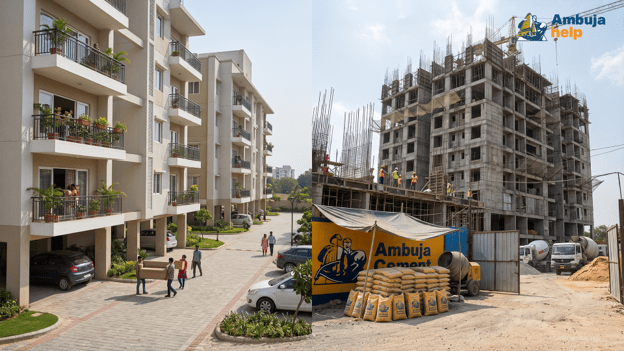
Table of Content
Buying a home is a big financial decision, and choosing the right property can feel confusing. Should you buy a ready-to-move flat that you can inspect before purchasing, or invest in an under-construction apartment and wait for possession? Both options have their benefits and drawbacks.
The right choice depends on your budget, financial plans, and when you need to move in. Understanding the costs, risks, and advantages of each option can help you make a decision that suits your needs.
What Is a Ready-to-Move Flat?
A ready-to-move flat is a completed apartment that is available for possession once the required approvals and applicable occupancy conditions are met. One of its biggest advantages is that you can see exactly what you are buying. You can inspect the rooms, check the ventilation, assess the finishing, and explore the surrounding neighbourhood before making a decision.
A ready-to-move home may suit buyers who:
- Need to move into their own home soon.
- Want to avoid waiting for construction to finish.
- Are currently paying rent and want to reduce the period of overlapping expenses.
- Prefer to inspect the actual property before buying.
Since construction is largely complete, there is generally less uncertainty about the possession timeline. However, buyers should still check the property's documents, condition, and approvals.
What Is an Under-Construction Flat?
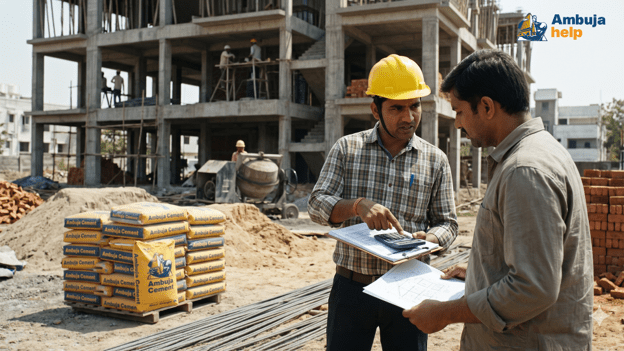
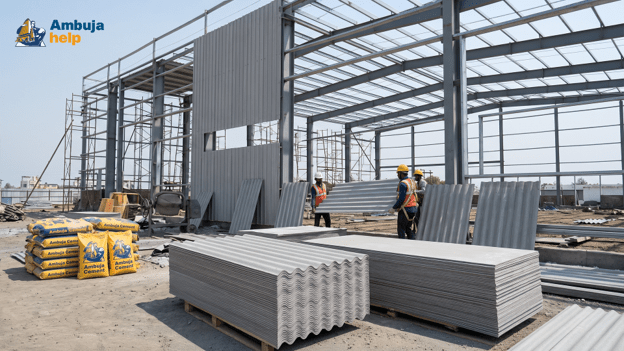
An under-construction flat is an apartment that is still being built and is not yet ready for possession. Depending on the project's stage, buyers may need to wait several months or longer before moving in. These properties may offer a lower initial price, construction-linked payment plans, and more choices when selecting a floor, layout, or apartment orientation.
An under-construction flat may suit buyers who:
- Have time to wait before moving in.
- Can manage rent and other expenses during construction.
- Prefer a newer residential development.
- Want more options when choosing an apartment.
- Are comfortable checking the developer's track record and project progress.
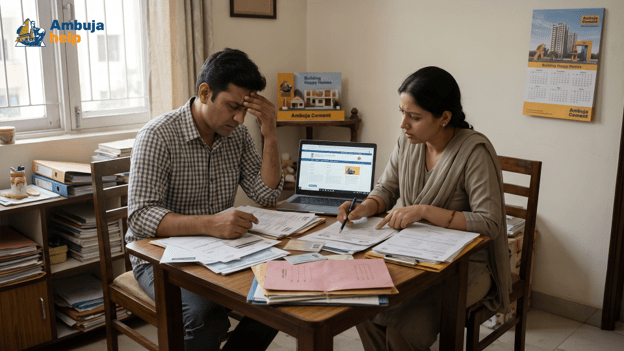
However, the price is just one part of a decision-making process. The overall building construction cost of a home purchase should be assessed alongside taxes, registration charges, financing, and any rent paid while waiting for possession.
Ready-to-Move vs Under-Construction Flats: Key Differences
| Factor | Ready-to-move flat | Under-construction flat |
|---|---|---|
| Possession | Usually sooner | At a future date |
| Property inspection | Actual apartment can be inspected | Often based on plans and specifications |
| Initial price | May be higher | May offer a lower entry price |
| Payment schedule | Depends on the sale terms | May be linked to construction stages |
| GST | Generally not applicable to qualifying completed-property sales | May apply, depending on the transaction |
| Waiting risk | Lower construction-related uncertainty | Depends on project progress and delivery |
| Apartment choices | Depends on available units | May offer more choices at earlier stages |
| Rent during construction | Usually easier to avoid | May continue until possession |
The best choice depends on your circumstances, not simply which property has the lower advertised price.
1. Compare the Total Cost, Not Just the Price
An under-construction apartment may look more affordable at first. However, additional expenses can change the final amount you pay.
Before booking, consider:
- Property price and applicable taxes.
- Stamp duty and registration charges.
- Parking and maintenance charges.
- Home loan interest and other financing costs.
- Rent during the construction period.
- Moving, furnishing, and interior expenses.
For example, paying ₹20,000 in monthly rent for two years adds up to ₹4.8 lakh. This expense can make an under-construction flat less affordable than it initially appears. Calculate the complete building construction cost or total home purchase outlay before comparing properties. Ask the developer for a detailed cost sheet and confirm which charges are included.
2. Check the Builder and Construction Quality
The developer's track record matters, especially when purchasing a property that is not yet complete. For an under-construction flat, check the project's RERA registration, construction progress, promised possession date, approvals, and sale agreement. Review the developer's previous projects where possible.
For a ready-to-move flat, inspect the actual apartment and common areas. Check for visible cracks, damp patches, poor finishing, plumbing issues, and ventilation problems. If needed, also consult an architect or a civil engineer to have more confidence in your choice.
Construction quality depends on several factors, including design, workmanship, curing, and the right cement. That’s where Ambuja Cement’s premium material options come in with their range of Ordinary Portland Cement (OPC) and Portland Pozzolana Cement (PPC) for different construction requirements.
3. Consider Your Home Design and Future Needs
Think about how the home will fit your family's needs over time. Room sizes, ventilation, natural light, storage, accessibility, and the location of essential facilities can influence everyday comfort. Review the home building design plans carefully when considering an under-construction property.
Check whether the proposed layout suits your needs and compare the approved plans with the specifications in the agreement. For a ready-to-move flat, inspect the house plan with care and then get the feel for how each room actually feels on site. In either case, consider future needs such as a growing family, working from home, or access to schools and healthcare.
4. Check the Location and Long-Term Value
A property's value depends on more than its construction stage. Connectivity, employment hubs, schools, hospitals, public transport, and everyday conveniences can all affect its usefulness and future demand.
An under-construction property in a developing area may benefit from future infrastructure, but appreciation is never guaranteed. A ready-to-move flat lets you assess the existing neighbourhood, roads, transport options, and residential environment before buying.
Which Option Should You Choose?
A ready-to-move flat is a better option if you want to move in immediately, and verified quality and the ability to inspect the finished home are your priorities. However, an under-construction flat is also worth considering if you can wait, prefer more apartment choices, and have checked the developer and project details carefully.
Before making a final decision, revisit your home building design plans, compare the complete costs, and check the legal documents and construction specifications. Ambuja Cement can be part of a quality-focused construction approach, but lasting performance also depends on sound design, suitable materials, and skilled workmanship.
Ultimately, the better property is the one that fits your budget, timeline, location preferences, and future needs without putting unnecessary pressure on your finances.
Frequently Asked Questions
Q1. What is the main difference between ready-to-move and under-construction flats?
Ready-to-move flats are completed and available for possession, while under-construction flats are still being built. The choice depends on the buyer's budget, preferred timeline, location, and tolerance for construction-related uncertainty.
Q2. Are ready-to-move flats usually more expensive than under-construction properties?
Ready-to-move flats may have a higher upfront price in some markets, but costs vary by location, builder, and property condition. Compare the total expense, including taxes, registration, interiors, and any rent during construction.
Q3. What should buyers check before purchasing an under-construction flat?
Buyers should review the builder's track record, project approvals, RERA registration where applicable, payment schedule, possession timeline, and agreement terms. Independent legal and technical checks can help identify risks before committing financially.
Q4. How can buyers compare the total cost of both property types?
Compare the purchase price, applicable taxes, registration charges, maintenance, interiors, and loan costs. For under-construction flats, also account for rent during construction and the possibility of possession delays when planning the budget.
Q5. What role does construction quality play when choosing a flat?
Construction quality affects durability, maintenance, and long-term comfort. Buyers should inspect completed properties carefully and review project specifications for ongoing developments. Reliable materials, including quality cement from established suppliers such as Ambuja Cement, support sound construction practices.