How to Prevent Water Leakage from Concrete Roofs and Terrace Slabs


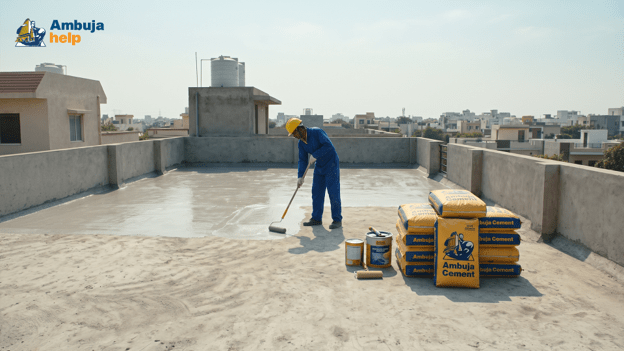
Table of Content
Concrete roofs and terrace slabs are built to withstand changing weather, but constant exposure to sunlight, heavy rain, and temperature changes also gradually affects their overall durability.
Plus, issues like small cracks and blocked drains further come together to allow water to seep into the building’s walls, which pose a risk of causing damage to the reinforcement steel over time.
Preventing these problems starts with good construction practices, suitable materials, and regular maintenance. Further, choosing the right waterproof cement for roof applications can also help improve protection when combined with proper surface preparation and waterproofing.
What Causes Water Leakage from Concrete Roofs?
Before repairing a leaking terrace, it is important to identify where the water enters. Covering a damp patch without addressing the underlying problem may only provide temporary relief.
Common causes include:
- Cracks in concrete: Shrinkage, temperature changes, and structural movement can create openings that allow water to penetrate.
- Poor drainage: Blocked outlets and an inadequate roof slope can cause water to collect on the terrace.
- Damaged waterproofing: Old, peeling, or poorly applied coatings may no longer provide effective protection.
- Weak joints and gaps: Areas around pipes, parapet walls, and construction joints are common points of leakage.
- Poor workmanship: Improper concrete mixing, inadequate compaction, and insufficient curing can increase permeability.
Identifying the cause helps determine whether the roof needs crack repairs, drainage improvements, a new waterproofing system, or professional structural assessment.
1. Choose Suitable Cement and Waterproofing Materials
The quality of materials used during construction plays an important role in protecting concrete roofs. A suitable cement, combined with a well-designed concrete mix, helps create a durable surface that can withstand normal exposure conditions.
When selecting waterproof cement for roof construction, consider the following factors:
- Strength and durability: Choose cement suitable for the structural design and intended application.
- Water-repellent properties: Specially formulated products may help reduce water penetration when used as recommended.
- Compatibility: Ensure that cement, repair mortars, primers, and waterproofing coatings are compatible.
- Application requirements: Check the manufacturer's instructions for surface preparation, curing, and weather conditions.
Ambuja Kawach is specially made with performance-enhancing components (SPE) that help repel water. It can be used for foundations, slabs, and walls, depending on the needs of the project. However, cement alone cannot prevent all roof leaks. The concrete mix, joints, proper drainage, and waterproofing system must all work together to help keep the roof leak-free.
2. Prepare the Roof Surface Before Waterproofing
Waterproofing products perform better when applied to a properly prepared surface. Dust, loose concrete, algae, and old coating residues can prevent the new layer from bonding correctly.
Follow these steps before starting the repair:
- Remove dirt, leaves, loose material, and other debris from the terrace.
- Inspect the surface for cracks, damaged concrete, and areas where water collects.
- Remove loose or failed waterproofing layers where necessary.
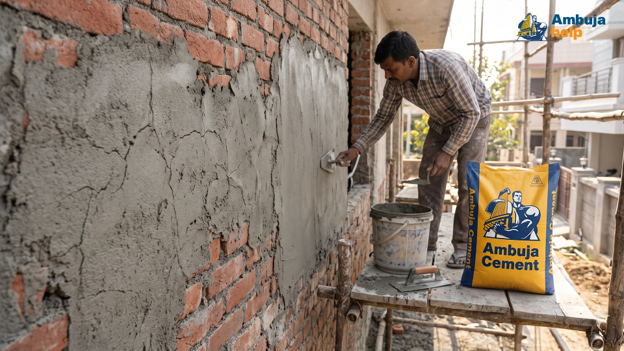
- Repair cracks and damaged sections using suitable materials.
- Allow the surface to reach the condition required by the selected waterproofing system.
A leak-proof cement solution will not work as intended if the underlying surface is unstable or the repair material does not bond properly. Wide cracks, recurring leaks, or signs of structural movement should be assessed by a qualified professional before waterproofing begins.
3. Repair Cracks and Seal Roof Joints
Cracks and joints need special attention because water can enter through even small openings. The repair method depends on the crack's size, location, and cause.
- Minor, non-moving cracks: Use a compatible repair material or crack-filling system recommended for the application.
- Construction joints: Apply an appropriate joint-sealing system according to the project specifications.
- Pipe penetrations: Seal the gaps around pipes and outlets using compatible waterproofing details.
- Parapet wall junctions: Check the connection between the terrace floor and the walls, as this area can become a common leakage path.
Flexible sealants, waterproofing tapes, or membranes can help seal certain joints, depending on how much they move and how much water they are exposed to. Structural cracks need proper repair and should not just be covered with a coating.
Choosing waterproof cement and the right repair materials is important, but it is not enough on its own. Proper planning and correct application help prevent water from entering the building through other gaps or weak spots.
4. Improve Roof Slope and Drainage
Water that remains on a terrace for long periods can accelerate the deterioration of waterproofing layers. A suitable slope helps rainwater move towards drainage outlets instead of collecting in low spots.
| Problem | Recommended action |
|---|---|
| Water pooling on the terrace | Correct low spots using an appropriate repair or screed system |
| Blocked drainage outlets | Remove debris and check that water flows freely |
| Leakage near drainpipes | Inspect connections and reinforce waterproofing around outlets |
| Water collecting near parapet walls | Check the slope and junction detailing |
Drainage corrections should be planned carefully so that additional layers do not overload the structure or obstruct outlets. After heavy rain, inspect the terrace to identify areas where water continues to accumulate.
5. Apply a Suitable Waterproofing System
1. Choose the Right Waterproofing System
After repairs, apply a waterproofing system suitable for the roof. This could be a liquid coating, cement-based waterproofing product, or waterproofing membrane. Follow the manufacturer's instructions for application, number of coats, and drying time, as these can vary by product.
Using waterproof cement for roof construction along with the right waterproofing system can help reduce water leakage when applied correctly.
2. Consider Ambuja Kawach for Roof Construction
Ambuja Kawach is specially formulated to help repel water and can be considered for different building applications. Before using it for a terrace or roof, check whether it suits the project's requirements. Proper waterproofing and correct application are also essential to help prevent leaks.
6. Maintain the Terrace to Prevent Future Leakage
Even a properly waterproofed roof needs regular inspection. Sunlight, rainfall, dust, and normal building movement can gradually affect its protective layers.
- Inspect the terrace before and after the monsoon.
- Clear leaves and debris from drains and outlets.
- Look for peeling coatings, open joints, and new cracks.
- Repair minor damage before water penetrates deeper layers.
- Reapply protective coatings when required by the product's maintenance schedule.
A suitable water-resistant cement can contribute to durable construction, but regular maintenance remains essential. Waterproofing systems should be renewed according to their condition and manufacturer recommendations, rather than following a fixed replacement period for every roof.
Conclusion
Preventing leakage from concrete roofs and terrace slabs requires more than applying a coating over a damp patch. Start by identifying the source, repairing cracks, sealing joints, improving drainage, and selecting a suitable waterproofing system.
The right waterproof cement for roof applications can support moisture protection when combined with good workmanship and proper curing. Ambuja Kawach is one option to consider for its water-repellent properties. With suitable materials, careful application, and regular inspections, homeowners can reduce leakage risks and help protect their buildings from long-term water damage.
Frequently Asked Questions
Q1. What causes water leakage from concrete roofs?
Roof leakage can result from cracks, poorly sealed joints, damaged waterproofing, blocked drains, or inadequate slope. Water may enter through several weak points. Regular inspections, timely repairs, and a suitable waterproofing system can help protect the roof from moisture-related damage.
Q2. Can waterproof cement alone prevent roof leakage?
No cement can guarantee a leak-free roof on its own. Concrete quality, joint detailing, drainage, crack repairs, and waterproofing all matter. Ambuja Kawach offers water-repellent properties for suitable building applications, but roof suitability should be checked against project requirements.
Q3. How can homeowners prevent terrace water leakage?
Keep drains clear, inspect joints and cracks, and repair damaged areas before applying a suitable waterproofing system. Ensure the roof has proper drainage and follow product-specific application instructions. Regular maintenance helps identify small problems before they develop into costly repairs.
Q4. What waterproofing system is suitable for a concrete roof?
Suitable options may include liquid-applied coatings, cementitious waterproofing products, or membranes. The right choice depends on the roof condition, exposure, movement, and existing damage. Consult a qualified professional and follow the selected system's preparation, application, and curing instructions.
Q5. Is Ambuja Kawach suitable for terrace construction?
Ambuja Kawach is specially formulated with performance-enhancing components that provide water-repellent properties. It may be considered for suitable building applications, including slabs. Check product recommendations and project requirements, as a complete roof waterproofing system may still be necessary to manage leakage.