How Much Does It Cost to Build a House in India in 2026? A Comprehensive Breakdown


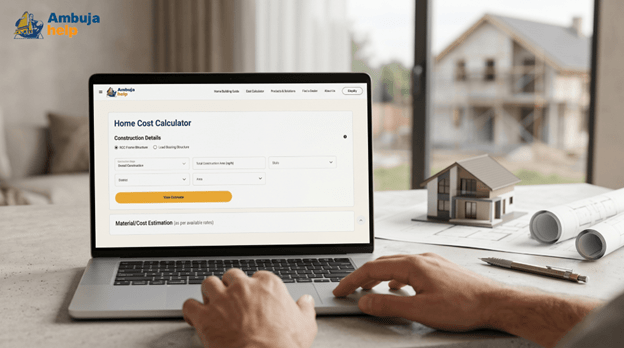
Table of Content
When you stand on the site and imagine the house, one question naturally comes up: how much will it actually cost? In 2026, the answer is not so simple. The house construction costs in 2026 in India depend on several factors, including location, design, material choices, and labour rates. Whether you’re building in a metro city or a tier-2 town, understanding these cost components early can help you plan better and avoid surprises.
What Makes Up the Total Construction Cost?
Building a home involves much more than just bricks and cement. Your overall budget includes:
- Materials: Cement, steel, bricks, sand, aggregates
- Labour: Masons, electricians, plumbers, carpenters
- Professional Fees: Architects, engineers, project managers
- Approvals & Legal Costs: Permits, utility connections, local authority fees
- Miscellaneous Costs: Site maintenance, contingencies, insurance
Each of these elements contributes to the final cost, and their share can vary depending on your project scale and city.
How to Estimate Your Construction Budget
A simple way to estimate your budget is:
-
Finalise your house design and built-up area
-
Multiply the total area by the average cost per square foot in your city
-
Add 10–20% for additional costs like interiors, approvals, and contingencies
Typical Cost Breakdown
| Component | Percentage of Total Cost |
|---|---|
| Materials | 50–60% |
| Labour | 25–30% |
| Contractor Overheads | 8–15% |
| Professional Fees | 8–12% |
For example, a 2,000 sq ft home can cost anywhere between ₹32 lakh to ₹50 lakh, depending on quality and location, with an additional ₹5–10 lakh for finishing and extras.
What Are the Per-Square-Foot Costs in 2026?
Construction costs are often calculated per square foot and vary based on the quality of construction.
Cost by Build Quality
| Build Type | Cost per Sq Ft (₹) | Suitable For |
|---|---|---|
| Basic | 1,200–1,400 | Budget homes, rentals |
| Standard | 1,500–2,200 | Most family homes |
| Premium/Luxury | 2,500–4,500+ | High-end custom builds |
City-Wise Construction Cost Comparison
Location plays a huge role in determining your budget. Here’s a quick look at average costs across major cities:
| City | Cost Range (₹/sq ft) |
|---|---|
| Mumbai | 2,700–3,800 |
| Delhi NCR | 2,200–3,000 |
| Bengaluru | 1,800–2,800 |
| Chennai | 1,700–2,500 |
| Kolkata | 1,500–2,300 |
| Hyderabad | 1,600–2,500 |
| Pune | 1,600–2,300 |
For instance, the construction cost per sq ft in Mumbai is significantly higher due to labour and land limits, while the house construction cost in Bangalore tends to be slightly more balanced due to better material availability.
What Factors Increase Construction Costs?
Even with a base estimate, several decisions can push your costs higher:
- Use of premium materials like marble, granite, or teakwood
- Complex architectural designs with basements or curved structures
- Soil conditions requiring specialised foundation work
- Seasonal delays, especially during the monsoon
- Local regulations and compliance requirements
Understanding these early helps you stay within budget without compromising on quality.
Cost Breakdown for a 2,000 Sq Ft Home
Here’s how your expenses might typically be distributed:
| Cost Head | Estimated Cost (₹) | Percentage |
|---|---|---|
| Cement, Steel, Bricks | 12–20 lakhs | 40–50% |
| Labour | 7–10 lakhs | 15–25% |
| Contractor Fees | 2–5 lakhs | 5–10% |
| Architect/Engineer | 2–3 lakhs | 4–8% |
| Plumbing/Electrical | 2–7 lakhs | 8–15% |
| Interior Finishing | 5–10 lakhs | 10–18% |
| Approvals/Legal | 0.5–2 lakhs | 2–4% |
| Contingency Buffer | 2–4 lakhs | 4–7% |
Hidden Costs You Shouldn’t Ignore
Many homeowners underestimate these additional expenses:
- Utility connections (₹50,000–₹2 lakh)
- Boundary walls (₹1–3 lakh)
- Landscaping (₹50,000–₹5 lakh)
- Government fees (₹50,000–₹2 lakh)
- Contingency buffer (10–15% of total budget)
Planning for these ensures you don’t face financial stress midway through construction.
Why Material Quality Matters
While budgeting, it’s tempting to cut costs on materials, but this can lead to long-term issues like cracks, seepage, and maintenance expenses. Choosing reliable, high-quality cement plays a critical role in structural durability.
Ambuja Cement is widely recognised as a premium and consistent material choice for residential construction. For homeowners trying to estimate costs accurately, tools like the Ambuja Home Cost Calculator can also provide a practical starting point based on location and project size.
Final Thoughts
Building a home in 2026 is a balance between aspiration and planning. The house construction cost in 2026 is influenced by multiple variables, but with the right information, you can make smarter decisions.
Whether you’re comparing the house construction cost in Delhi NCR or planning a project in another city, understanding cost components helps you stay in control. Start with a realistic budget, choose quality materials, and account for hidden costs. A well-planned home doesn’t just save money; it ensures peace of mind for years to come.
FAQs
Q.1 Which home plans are ideal for a modern family?
Modern home plans focus on efficient layouts, natural light, and long-term durability. Using reliable materials from Ambuja Cement ensures structural strength across foundations, slabs, and walls.
Q.2 What is the best cement in India for home building?
The best cement depends on the application, but Ambuja Cement is widely trusted for its OPC and PPC variants. Known for consistent quality and durability, it supports strong structures and long-term performance, making it a reliable choice for residential construction across diverse Indian conditions.
Q.3 What are the best house planning tips for new homeowners?
Start with a realistic budget, plan layouts carefully, and prioritise quality materials. Using trusted products from Ambuja Cement helps reduce maintenance costs and improve durability. Early cost estimation and smart material choices ensure smoother construction and better long-term value for homeowners.
Q.4 How can homeowners estimate construction costs more accurately?
Accurate estimates require understanding material costs, labour, and contingencies. Tools like the home cost calculator from Ambuja Cement provide location-based estimates. Combined with quality materials and proper planning, this helps homeowners avoid budget overruns and manage expenses effectively.
Q.5 Why is choosing the right cement important for staying within budget?
Low-quality cement may reduce upfront costs but increases repair expenses over time. Ambuja Cement offers consistent quality that enhances durability and reduces rework. This ensures better cost control, making it easier to stay within budget while building a strong and reliable home.