How Long Does Cement Last? Shelf Life, Storage Tips, and How To Spot Expired Cement


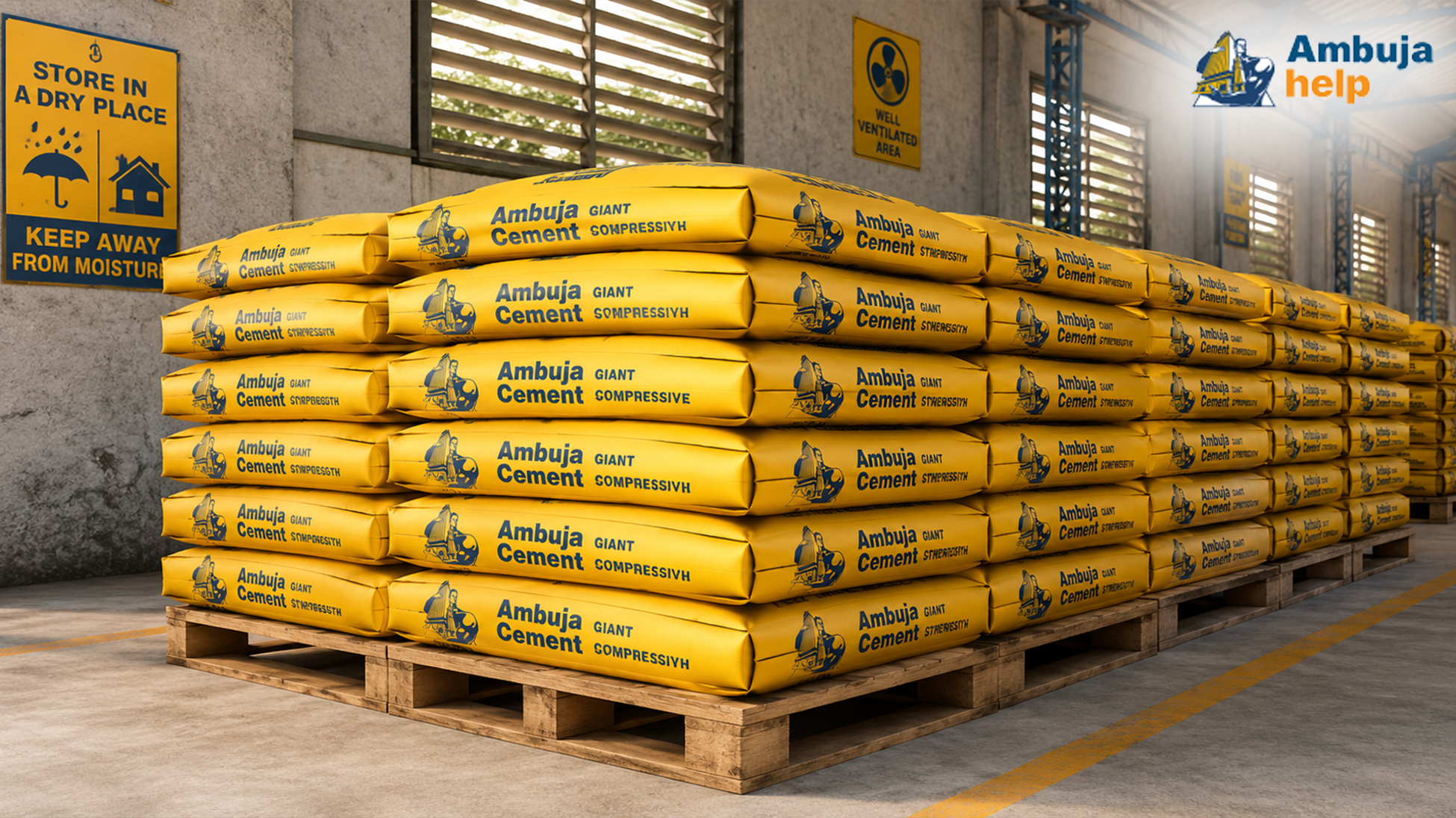
Table of Content
Cement is one of the most important materials in construction, yet it’s often misunderstood when it comes to its lifespan. Many people assume cement lasts indefinitely, but that’s not entirely true. While it doesn’t “expire” like food, its strength reduces over time, making proper handling and storage extremely important.
Understanding cement’s shelf life helps you ensure that the structures you build remain strong, durable, and safe for years to come.
Does Cement Expire?
Cement does not come with a strict expiry date, but it does lose strength gradually over time. According to Indian standards (IS 8112), cement can lose up to 30% of its strength within three months of manufacturing if not used.
This happens because cement is highly reactive to moisture. Even minimal exposure to humidity can trigger hydration, which is the same chemical process that hardens cement when mixed with water. When this reaction starts prematurely inside the bag, the cement begins to deteriorate.
What this means in practical terms:
- Fresh cement gives maximum strength and performance
- Older cement may still work, but with reduced efficiency
- Poor storage accelerates deterioration
So when people ask how long cement lasts, the answer depends heavily on storage conditions rather than a fixed timeline.
Factors That Affect Cement Shelf Life
Not all cement behaves the same way. Several factors influence how long it retains its strength and usability.
Key factors include:
- Moisture exposure: The biggest enemy of cement; even air humidity can affect it
- Packaging quality: Better packaging slows down moisture entry
- Storage environment: Damp or poorly ventilated spaces reduce lifespan
- Fineness of cement: Finer cement reacts faster, making it more sensitive to moisture
These factors explain why proper cement storage conditions, especially in India, are critical, especially in regions with high humidity or monsoon exposure.
Best Cement Storage Tips for Longer Shelf Life
Proper storage can significantly extend the usability of cement and preserve its strength.
1. Choose a Dry Storage Area
- Store cement in a covered, dry, and well-ventilated space
- Ensure no leakage from the roof or walls
- Use raised platforms (150–300 mm above ground) to avoid ground moisture
2. Keep Bags Away from Walls
- Maintain at least a 300 mm gap from walls
- Avoid placing bags near doors, windows, or open areas
- Protect from rain and humid air entry
3. Stack Bags Properly
- Stack bags in a criss-cross pattern for stability
- Limit stacking height to 10 bags
- Follow the FIFO (First In, First Out) method to use the older cement first
4. Cover with Waterproof Sheets
- Use tarpaulin or plastic sheets to cover stacks
- Ensure full coverage, especially during the monsoon
- Provides an extra layer of protection against moisture
5. Avoid Long-Term Storage
- Buy cement as per the construction schedule
- Avoid storing for months unnecessarily
- Plan staggered deliveries for large projects
Following these cement storage tips helps maintain strength and guarantees better performance during construction.
How to Check the Manufacturing Date on Cement Bags
Since cement doesn’t have a traditional expiry date, the manufacturing date becomes crucial.
Where to find it:
- Printed near the bottom or side seam of the bag
- Located along with the batch number or MRP details
Common formats:
- Wk 32/26 → 32nd week of 2026
- Mfg: 08/26 → August 2026
What you should do:
- Buy cement that is less than 3 months old
- Mark delivery dates clearly on-site
- Use older stock first to avoid wastage
Tracking manufacturing dates is a simple but crucial step in maintaining cement quality.
How to Identify Expired or Bad Cement
Even if the cement is within its usable period, poor storage can damage it. Knowing how to identify expired cement can save you from costly mistakes.
Common signs of bad cement:
1. Presence of Lumps
- Small soft lumps may still be usable
- Hard, solid chunks indicate moisture damage
2. Texture Changes
- Fresh cement feels smooth and powdery
- Damp or sticky texture signals moisture exposure
3. Colour Variation
- Good cement is grey with a slight greenish tint
- Pale, dull, or uneven colour may indicate deterioration
4. Weakness in the Simple Test
- Mix cement with water to form a paste
- If it doesn’t harden properly after setting, the quality is compromised
5. Poor On-Site Performance
- Low strength in concrete
- Cracks or powdery surfaces after setting
Cement Shelf Life at a Glance
| Time Since Manufacturing | Expected Strength Retention |
|---|---|
| Fresh (0–1 month) | 100% |
| 1–3 months | Up to 70–80% |
| 3–6 months | Significant reduction |
| Beyond 6 months | Not recommended for structural use |
The Role of Quality Cement
While storage and handling are important, starting with high-quality cement makes a significant difference. Reliable brands ensure better packaging, consistent composition, and improved resistance to environmental factors.
Ambuja Cement is known for offering durable and budget-friendly premium cement solutions that help maintain consistent performance, even in challenging conditions.
Final Thoughts
Cement doesn’t expire instantly, but its strength gradually declines with time, making proper handling essential. Understanding its shelf life, storing it in dry conditions, and checking quality before use can significantly impact construction durability. For best results, use cement within three months, keep it protected from moisture, and monitor manufacturing dates. Following these simple practices helps ensure your structure remains strong, safe, and built to last for years.
Frequently Asked Questions
Q1. What are the essential building materials for house construction?
Essential materials include high-quality cement, steel, sand, and aggregates. Choosing trusted brands like Ambuja Cement ensures consistent strength, durability, and reliable performance for long-lasting, safe construction outcomes.
Q2. How long does cement remain usable for construction?
Cement performs best within three months of manufacturing. Using premium options like Ambuja Cement, known for quality packaging and consistency, helps maintain strength and reliability when stored correctly.
Q3. How can I ensure better cement performance on-site?
Proper storage, moisture protection, and using fresh cement are key. Ambuja Cement offers dependable quality, helping ensure consistent performance and durability even in challenging site and weather conditions.
Q4. What are the signs of poor-quality or damaged cement?
Hard lumps, uneven colour, and poor setting indicate damaged cement. Choosing a reliable brand like Ambuja Cement reduces such risks by ensuring strict quality control and better material consistency.
Q5. Why is cement storage important for construction quality?
Improper storage reduces cement strength over time. Using well-packaged products like Ambuja Cement, combined with correct storage practices, helps preserve quality and ensures strong, durable construction results.