Home Design Trends: Smart, Functional & Future-Ready Ideas for Indian Homes


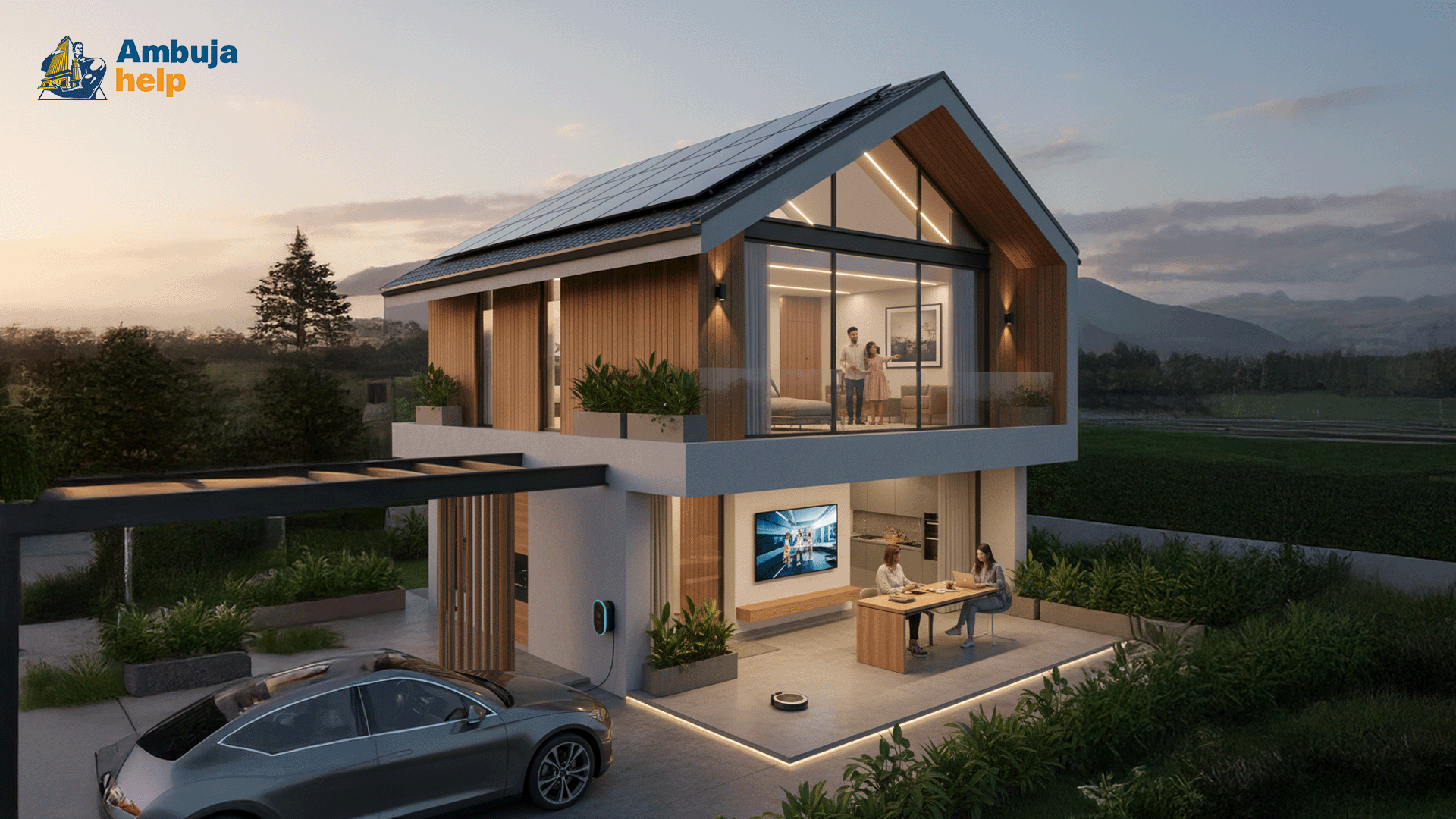
Table of Content
Designing a modern Indian home today is so much more than just choosing colours, tiles, and furniture. What truly shapes the comfort of a living space is the thinking behind it: how rooms flow, how daylight moves across interiors, and how thoughtfully each corner is planned. With families prioritising smarter layouts and sustainable solutions, the future of home design in India is shifting towards efficiency, openness, and adaptability.
As urban spaces tighten and lifestyles evolve, homeowners now look for ways to make their homes more spacious, improve natural ventilation, and remain relevant for years. Whether you’re moving into a new one or renovating your existing one, understanding trends can help you create a space that is not just beautiful but also practical.
Why Future-Ready Homes Need Intelligent Planning
Today, homes may look simple from the outside, but the decisions made at the planning stage define their lifespan. More Indian homeowners now prefer homes that balance structure, aesthetics, and smart features right from the blueprint stage.
Here’s why thoughtful planning matters:
| Aspect | Impact on Home |
|---|---|
| Efficient Use of Space | Avoids awkward corners and underused areas |
| Better Ventilation & Light | Reduces dependence on artificial lighting |
| Seamless Movement | Makes the home feel larger and more accessible |
| Long-Term Durability | Reduces repair costs and supports flexibility |
| Integration of Smart Features | Future-proofs the home without major modifications |
Core Principles Shaping Modern Indian Homes
- Functional Spatial Planning
Today’s homes are designed around lifestyle needs. Smart zoning ensures that open spaces like the living and dining areas flow into each other, while private areas remain undisturbed. - Aesthetic Simplicity
Modern Indian homes embrace clean lines, balanced proportions, and clutter-free layouts. Minimalist aesthetics not only make a space feel calm but also easier to maintain. This approach allows even small homes to look pretty and spacious. - Natural Light & Fresh Air
Homes that draw in maximum natural light feel healthier and more inviting. Large windows, skylights, and cross-ventilation help lower electricity consumption and improve indoor air quality, both a must in India’s climate. - Sustainability & Eco-Friendly Choices
Homeowners increasingly choose sustainable materials, heat-reducing facades, and eco-friendly paints. Complementing these choices with durable construction materials from premium brands further enhances the home’s longevity. - Smart Technology Integration
From false lights to motion-sensor locks and app-controlled appliances, technology is seamlessly embedded into modern houses. Planning electrical points and wiring avoids later disruptions.
Smart & Functional Ideas for Future-Ready Homes
Open-Concept Living
Indian households are increasingly adopting open layouts that merge the kitchen, dining, and living spaces. This not only improves the space’s air flow but also improves interaction within the family.
Multipurpose Rooms
With remote work, hobbies, and evolving family needs, rooms that transform easily are gaining popularity. A study that doubles as a guest room, or a lounge that becomes a play area, ensures maximum utilisation of space.
Indoor–Outdoor Continuity
Sliding glass doors, balconies with seating, small courtyards, and garden patches help blur the boundaries between the interior and exterior. Homes feel larger, brighter, and more connected to nature, a major design trend across Indian cities.
Double-Height Spaces
Even in compact plots, double-height living rooms or entry foyers can create a sense of openness. They allow more sunlight inside and improve air circulation.
Trending Materials & Finishes for Contemporary Homes
Homeowners prefer timeless, durable, and low-maintenance materials. Some popular choices include:
| Material / Finish | Why It’s Trending |
|---|---|
| Natural Wood | Adds warmth and an organic touch |
| Engineered Stone | Ideal for long-lasting kitchen counters |
| Textured Concrete | Complements minimal, modern interiors |
| Large Glass Panels | Enhances visual openness |
| Matte Hardware | Sleek, contemporary look |
| Eco-Friendly Materials | Lower environmental impact |
Landscaping & Exterior Enhancements
A thoughtfully designed exterior improves the overall home experience. Patios, green walls, plants, and well-planned outdoor lighting make outdoor areas more usable. Many homeowners also opt for sustainable gardening to reduce water consumption and environmental impact.
Budgeting for a Smart & Modern Home
A futuristic home doesn’t have to exceed your budget. Strategic planning ensures a balance between quality and affordability:
- Define a clear spending limit early
- Prioritise structural stability before décor
- Allocate 10–15% as contingency
- Compare long-term value while choosing materials
- Work with professionals to avoid design or execution errors
- Track expenses through every phase
These steps help keep control over expenses without compromising the integrity or appeal of your home design.
Conclusion
Smart, functional, and future-ready homes are shaping how Indian families live today. By combining clever layouts, natural light, open spaces, sustainable materials, and smart automation, homeowners can relax in a home that is both comfortable and efficient. Modern home plans are about creating spaces that adapt to you, not the other way around. And with the right planning, materials, and support from experienced professionals and with Ambuja, your home can remain strong, stylish, and relevant for decades.