From Foundation to Finish: Building Construction Essentials Every Homeowner Must Know


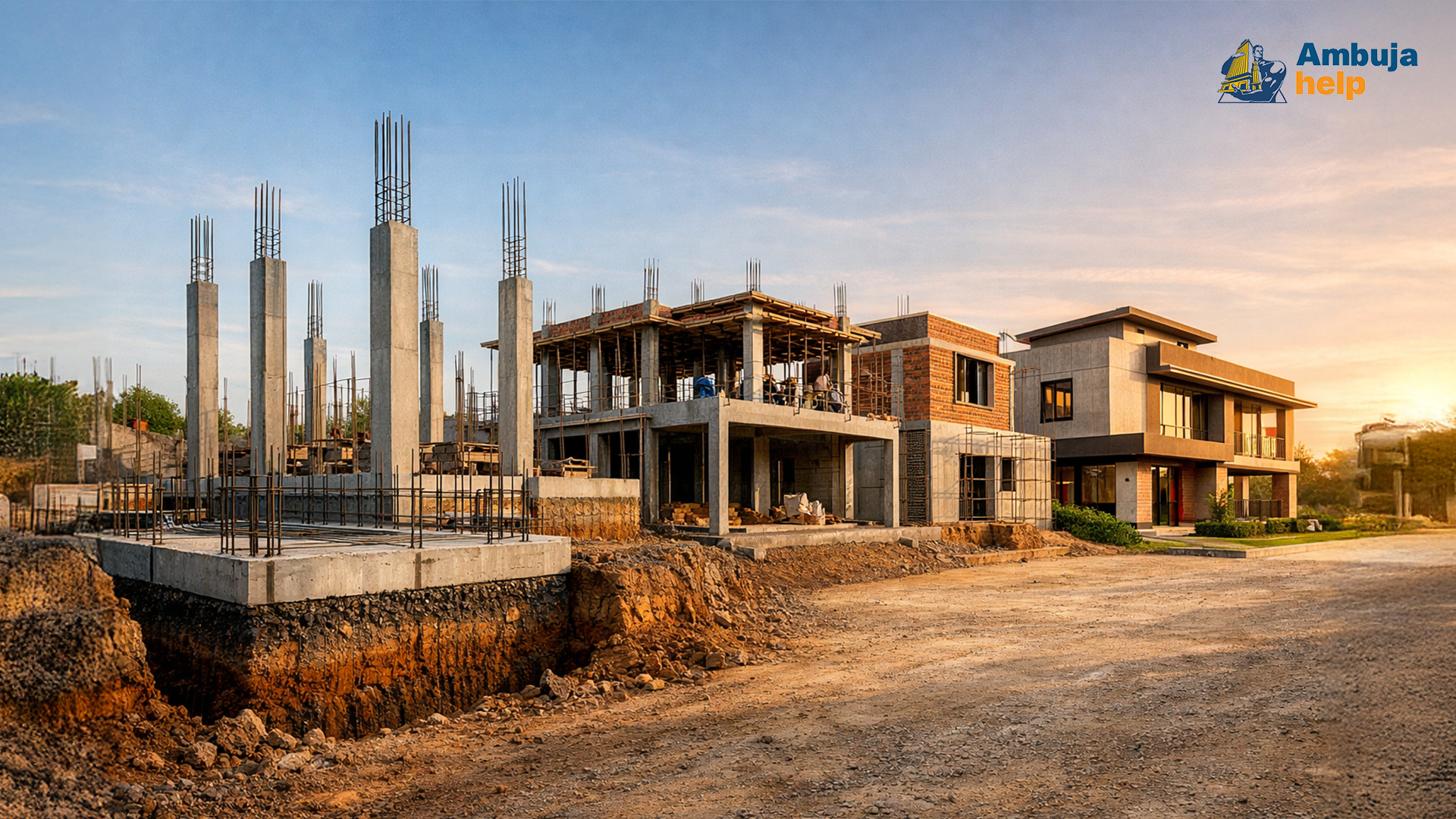
Table of Content
Becoming a part of a construction project carries weight, and when you’re a homeowner diving into the wholesome journey of building the forever home for the family and future, the process can become both meaningful and overwhelming at the same time. But a successful building construction project for a house requires a lot of things beyond just a good design and plot location. It needs careful planning, the right materials, and informed decisions at every stage.
If you’re planning to build your dream home, this simple, step-by-step guide will help you understand the construction must-haves, from foundation to finish.
Step 1: Start with Clear Goals and a Realistic Budget
Before any work begins, take time to define what you want in your home. Ask yourself:
- How many rooms do you need?
- What is your preferred layout?
- Do you plan for future expansion?
- What is your total budget?
Your budget should have space to include:
| Expense Category | Examples |
|---|---|
| Land cost | Plot purchase |
| Design | Architect and approvals |
| Construction | Materials and labour |
| Utilities | Plumbing, electrical |
| Finishing | Flooring, painting |
Step 2: Choose the Right Location
The location of your home affects both your lifestyle and the long-term value of your property. Consider:
- Distance from work and schools
- Availability of water and electricity
- Road access
- Access to amenities such as markets, hospitals, and transport stations
- Safety of the neighbourhood
Also, do not forget to process all legal approvals and permits before starting construction.
Step 3: Focus on a Strong Foundation and Structure
The foundation is the part of the house on which the building depends the most for years. It supports the entire structure and ensures stability. Using high-quality cement, steel, and aggregates is very important at this stage.
Ambuja Cement, one of India’s reliable cement manufacturers, produces cement solutions for all types of construction that deliver strength and durability.
A strong foundation helps:
- Prevent cracks
- Increase lifespan
- Improve safety
Remember, mistakes at this stage are difficult and costly to fix later.
Step 4: Work with the Right Design and Floor Plan
Quality construction material is important, but so is a well-designed floor plan that reflects your vision while ensuring functionality and comfort. A good design ensures:
- Proper ventilation
- Natural lighting
- Efficient use of space
Here’s an example:
| Design Element | Why It Matters |
|---|---|
| Ventilation | Improves air quality |
| Natural light | Reduces electricity use |
| Functional layout | Improves daily comfort |
| Future expansion | Adds flexibility |
Always consult experienced architects for the best results.
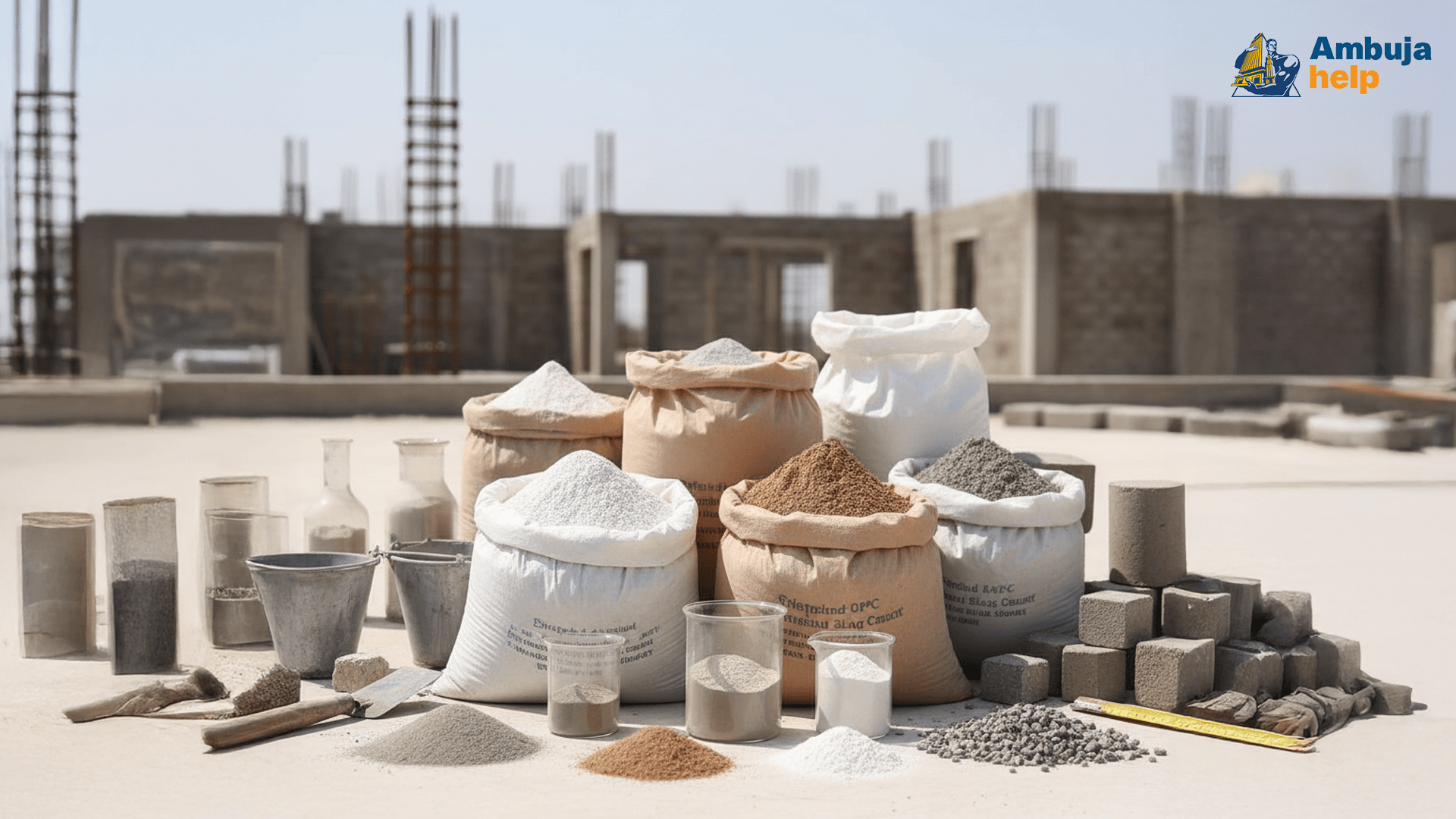
Step 5: Choose Quality Materials for Long-Term Durability
Materials determine how strong and long-lasting your home will be. Important materials include:
- Cement
- Steel
- Sand
- Bricks
High-quality cement that suits the construction requirement and stage improves:
- Structural strength
- Crack resistance
- Water resistance
This makes a big difference in the long-term performance of your home.
Step 6: Plan Plumbing and Electrical Systems Carefully
Proper planning of utilities ensures safety and convenience. These include:
- Water supply
- Drainage systems
- Electrical wiring
- Air conditioning
Mistakes in these systems can lead to expensive repairs later and may create safety risks. That is why you should plan them early and properly during house construction, not after the building is complete.
Step 7: Add Energy-Efficient Features
Energy-efficient homes save money and protect the environment. Consider installing:
- LED lighting
- Solar panels
- Proper insulation
- Energy-efficient appliances
The benefits of adopting efficient features will be reflected in your long-term savings.
| Feature | Benefit |
|---|---|
| Solar panels | Lower electricity bills |
| Insulation | Comfortable indoor temperature |
| LED lights | Energy savings |
| Efficient appliances | Reduced power usage |
Step 8: Pay Attention to Finishing and Interior Details
Finishing gives your home its final look and feel. This includes:
- Flooring
- Paint
- Doors and windows
- Kitchen and bathroom fittings
Good finishing improves both comfort and durability. Choose materials that are:
- Easy to maintain
- Long-lasting
- Suitable for your climate
Step 9: Don’t Ignore Waterproofing and Protection
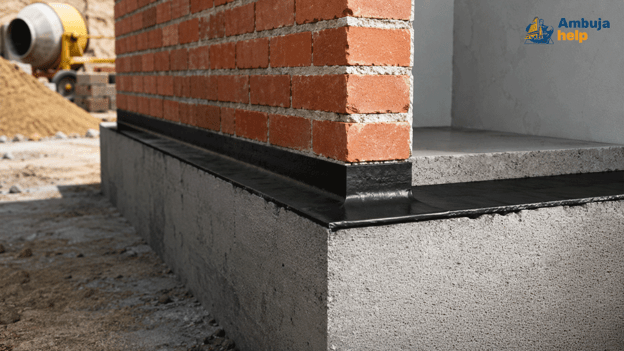
Water damage is one of the most common problems in homes. Proper waterproofing protects:
- Roof
- Bathrooms
- Exterior walls
Quality cement and proper construction techniques play an important role in preventing seepage and protecting your home for many years.
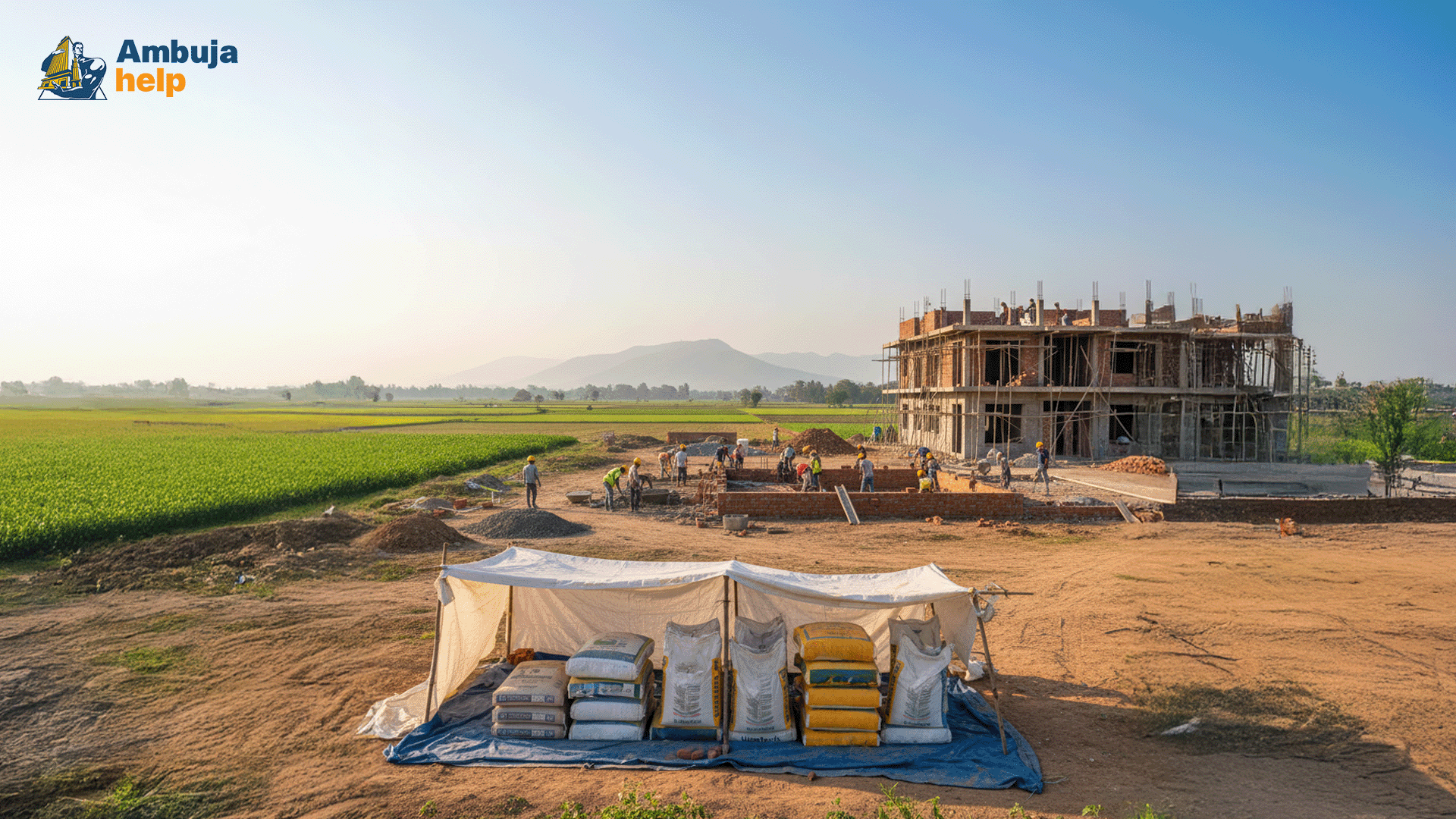
Step 10: Monitor Construction Progress Regularly
Even if you hire a contractor, regular supervision is important. Check:
- Material quality
- Work progress
- Safety practices
This helps ensure your home is built correctly. In such cases, having a clear understanding with your builder prevents misunderstandings.
Step 11: Complete Final Inspections Before Moving In
Before getting the handover of the house, inspect everything carefully. Check for things like the:
- Electrical systems
- Plumbing
- Doors and windows
- Finishing quality
Fix any issues before moving in to ensure your home is safe and comfortable.
Summary Checklist for Homeowners
| Stage | Key Focus |
|---|---|
| Planning | Budget and goals |
| Location | Legal approvals |
| Foundation | Strong materials |
| Design | Functional layout |
| Structure | Quality construction |
| Utilities | Plumbing and electrical |
| Finishing | Interior quality |
| Inspection | Final checks |
Why Quality Materials Make the Biggest Difference
Even the best design cannot compensate for poor material quality. High-quality cement ensures:
- Strong structure
- Long lifespan
- Better protection
Ambuja Cement is known for maintaining consistent quality standards, which helps homeowners build safer and more durable homes.
Final Thoughts
Building your own home is an exciting journey, but it requires careful planning and informed decisions. From selecting the right location to choosing quality materials and supervising construction, every step plays an important role.
By focusing on strong foundations, proper planning, and reliable materials, you can ensure your home remains safe, comfortable, and durable for generations.
FAQ’s
1. How is building construction cost estimated?
Building construction cost is estimated by calculating land price, design fees, materials, labour, utilities, and finishing expenses. Material quality significantly impacts long-term value. Using trusted brands like Ambuja Cement ensures durability and reduces maintenance costs, helping homeowners optimise both upfront investment and lifetime savings.
2. What are the steps in house construction?
House construction typically includes planning, budgeting, approvals, foundation work, structural construction, utilities installation, finishing, waterproofing, and final inspection. Choosing reliable materials at every stage, especially high-quality cement from Ambuja Cement, ensures strength, safety, and long-term durability for your dream home.
3. Why is cement quality crucial in home construction?
Cement forms the backbone of your home’s structure. High-quality cement improves strength, crack resistance, and water protection. Ambuja Cement is known for consistent quality standards and advanced manufacturing, helping homeowners build safer, longer-lasting homes with reduced structural risks.
4. How can homeowners ensure long-term durability during construction?
Durability depends on strong foundations, proper planning, waterproofing, and premium materials. Selecting dependable cement from a flagship and premium collection improves structural stability and resistance to moisture and cracking, ensuring your home remains safe and comfortable for generations.
5. Why should I choose a trusted cement brand for my home?
A trusted cement brand ensures consistent strength, performance, and quality control. Ambuja Cement combines advanced technology with rigorous testing standards, giving homeowners confidence that their construction materials will deliver long-term safety, durability, and value.