Documents and Approvals You Need Before Starting Construction in India


Table of Content
Building a house in India involves much more than choosing a plot and hiring a contractor. Before work begins, you need to make sure the land, drawings, permissions, and construction arrangements are in order. Missing an important document can delay the project or create problems later.
If you are starting construction, this checklist can help you understand the paperwork to review before breaking ground.
Why Are Documents Important Before Construction?
Construction permissions help ensure that a proposed house follows applicable land-use, safety, planning, and building rules. Requirements vary by location and project size. Without the required paperwork, you could face:
- Stop-work notices or penalties.
- Delays in water and electricity connections.
- Problems with home loans or resale.
- Disputes related to ownership or property boundaries.
1. Keep Your Land and Ownership Documents Ready
| Document | Why it matters |
|---|---|
| Sale/Title Deed | Establishes ownership of the property. |
| Mother Deed | Shows the property's ownership history. |
| Encumbrance Certificate | Helps check registered loans, mortgages, or claims. |
| Khata/Patta Certificate | Records property details and, where applicable, tax status. |
| Survey Plan/Plot Map | Establishes property boundaries and dimensions. |
Compare names, plot numbers, measurements, and other details across these records. If something does not match, resolve it before submitting an application.
2. Prepare the Drawings and Building Plan
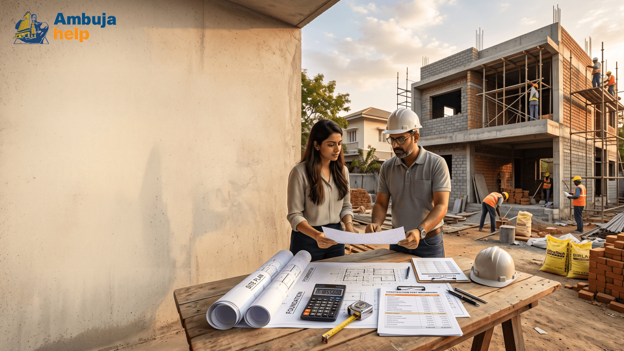
Your home construction plan is not simply a floor layout. It gives the local authority a clear picture of what you intend to build. Depending on the project and local rules, you may need:
- Architectural drawings with floor plans and elevations.
- Structural drawings and calculations from a qualified professional.
- Site plans showing setbacks, access, and the building's position.
- Electrical and plumbing layouts, where required.
3. Check the Required Approvals and NOCs
| Approval/Document | When it may be relevant |
|---|---|
| Building Plan Sanction | Where the local authority requires approval of the proposed plan. |
| Land Use Conversion/NA Certificate | When land requires conversion from agricultural or another use. |
| Fire Safety NOC | May apply to larger or specific building types. |
| Environmental Clearance | Generally associated with larger projects and applicable categories. |
| Water/Electricity Permissions | Required for civic connections as specified by providers. |
| Airport-related NOC | May apply to plots affected by airport height restrictions. |
4. Documents Needed Before Work Starts
Some paperwork relates directly to the start of physical construction. Depending on local requirements, keep the following ready:
- Commencement Certificate, where required.
- Soil test report for foundation design.
- Signed agreements with the architect and contractor.
- Site safety and worker insurance documents, where applicable.
- Approved drawings and permission letters.
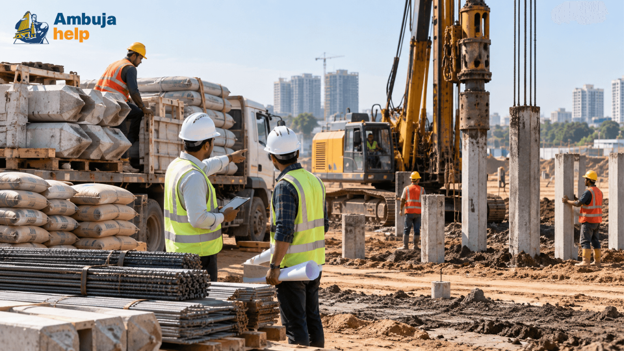
A soil test helps because foundation design depends on ground conditions.
5. Plan Your Construction Materials
Once approvals are in place, material planning becomes an important part of the project. For cement, steel, bricks, blocks, aggregates, and other materials, check the required specifications before buying.
Ambuja Cement has continuously been a reliable source for cement for various construction projects across India and can help builders with their construction material choices. That said, the main focus should be on selecting materials suited to the application and project requirements, rather than simply choosing the lowest-priced option.
A construction calculator can help with preliminary quantity or cost estimates. However, online calculations should be treated as planning aids, with final quantities confirmed by your architect, engineer, or contractor.
6. Keep a Budget and Document Trail
Keep approvals, invoices, test reports, drawings, contracts, and payment records together. A construction calculator may help estimate broad material quantities or costs, but your final budget should also include labour, transportation, site preparation, approvals, wastage, and possible changes.
Common Mistakes to Avoid
Many construction delays happen because of small oversights. Avoid:
- Starting work before required permissions are received.
- Using drawings that differ from the approved plan.
- Ignoring differences in land records.
- Assuming another city's approval process applies to your property.
- Buying materials without checking specifications.
- Losing track of revised drawings and documents.
Your home construction plan should reflect the latest approved version, and everyone involved should work from the same drawings.
Final Checklist Before You Break Ground
Before construction starts, check that your home construction plan and the following documents are in order:
- Ownership documents and boundaries are verified.
- Architectural and structural drawings are complete.
- Required approvals and NOCs are obtained.
- Soil testing and foundation decisions are completed.
- Contractor and professional agreements are documented.
- Material specifications have been reviewed.
- Important documents are stored safely.
Conclusion
Starting construction is exciting, but good preparation can prevent avoidable delays and expenses. Treat paperwork, approvals, professional advice, and material selection as connected parts of the same process. Since requirements vary across India, always verify the current rules with your local authority before work begins.
Frequently Asked Questions
Q1. What documents are needed before starting house construction?
You may need ownership records, approved drawings, building permissions, NOCs, soil test reports, and professional agreements. Requirements vary by location, so always check with your local authority.
Q2. Why is a soil test important before construction?
A soil test helps professionals understand ground conditions and plan the foundation accordingly. It can support safer structural decisions and help determine suitable foundation requirements for your home.
Q3. How should I choose cement for house construction?
Choose cement based on the project’s application, required specifications, and professional recommendations. Ambuja Cement can be considered when evaluating quality-focused cement options for construction projects across India.
Q4. Can a construction calculator estimate my complete construction cost?
A construction calculator can provide preliminary estimates for quantities and costs. However, your final budget should also account for labour, transportation, approvals, wastage, and project-specific requirements.
Q5. Why should I keep construction documents safely?
Keeping approvals, drawings, contracts, invoices, and test reports together makes it easier to track the project. It also helps resolve questions about materials, payments, approvals, or changes later.