Cool Roof vs. Traditional Roof: How to Beat the Heat in Indian Summers


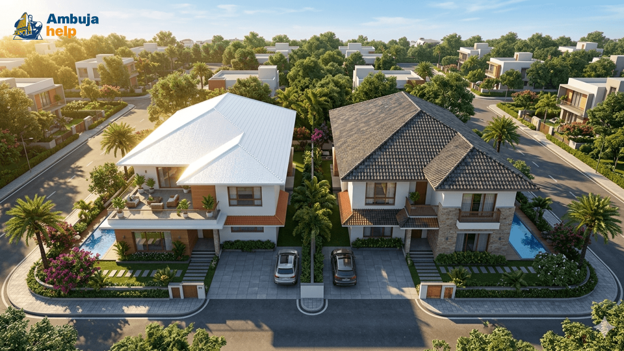
Table of Content
Indian summers mean unbearable heat for months, marked by rising temperatures and frequent heat waves, making it difficult to keep homes cool. As a result, homeowners are constantly looking for effective ways to reduce indoor heat without relying heavily on air conditioners.
One solution that has gained significant attention is the cool roof. Designed to reflect more sunlight and absorb less heat than traditional roofs, it helps maintain a more comfortable indoor environment while reducing energy consumption. But how does it compare to a traditional roof? Let’s explore the differences and understand how homeowners can make smarter choices for summer comfort.
Why Roofs Get So Hot During Summer
The roof is the part of the house that receives the maximum amount of direct sunlight throughout the day. Traditional roofing materials often absorb large amounts of solar heat, which gradually transfers into the building.
This can lead to:
- Higher indoor temperatures
- Increased dependence on air conditioning
- Rising electricity bills
- Reduced indoor comfort
In many Indian cities, roof surface temperatures can become significantly hotter than the surrounding air, making homes uncomfortable during peak summer months.
What Is a Cool Roof?
A cool roof is specifically made to reflect sunlight and release absorbed heat more efficiently than standard roofs. These roofs typically use reflective coatings, specialized tiles, or heat-resistant materials that do not trap any excessive heat.
The effectiveness of such roofs is often measured using the Solar Reflectance Index (SRI), which indicates how well a surface reflects solar energy and emits absorbed heat. The higher the SRI value, the cooler the surface remains under sunlight.
Cool Roof vs Traditional Roof
The differences between these two roofing approaches become particularly noticeable during hot weather.
| Feature | Traditional Roof | Cool Roof |
|---|---|---|
| Heat Absorption | High | Low |
| Surface Temperature | Higher | Lower |
| Indoor Comfort | Moderate | Improved |
| AC Dependency | Higher | Lower |
| Energy Savings | Limited | Significant |
| Environmental Impact | Higher | Lower |
Because of its ability to reduce heat absorption, a cool roof can help create a more comfortable living environment during the summer season.
Benefits of Cool Roof Solutions
1. Reduced Indoor Temperature
One of the biggest advantages of cool roofs is that it doesn't allow much heat to enter the building. Reflective surfaces prevent excessive heat buildup, helping rooms remain cooler naturally.
2. Lower Energy Bills
When indoor temperatures remain lower, air conditioners do not have to work as hard. This can result in noticeable energy savings over time.
3. Improved Comfort
Homes with effective heat-resistant roofing often remain more comfortable throughout the day, even during peak summer afternoons.
4. Longer Roof Life
Lower heat absorption reduces thermal stress on construction materials, which contributes to improved durability and performance.
Importance of Heat-Resistant Construction Materials
While external heat-resistant roof treatments play an important role, walls also contribute significantly to indoor temperatures. Heat absorbed by external walls can continue radiating into the home long after sunset. This is where innovative building materials can make a difference.
Ambuja Cool Walls: A Smarter Alternative
Designed with advanced heat-resistant technology, Ambuja Cool Walls help maintain cooler indoor temperatures. Reducing heat transfer through walls, it creates a more comfortable living environment.
Key benefits include:
| Feature | Advantage |
|---|---|
| Heat Barrier Technology | Helps maintain cooler interiors |
| Anti-Efflorescent Properties | Prevents salt deposits on walls |
| Strong Block Joining System | High-strength mortar with Blockol |
| No Curing Required | Saves construction time |
| Long-Term Durability | Supports lasting performance |
Choosing the Right Roofing Materials
The effectiveness of any roofing system depends heavily on the materials used during construction. Some commonly used options include:
- Reflective tiles
- Insulated concrete roofs
- Heat-resistant coatings
- Reflective paints
- Advanced roofing sheets
Modern roofing sheets come with improved insulation and reflective properties, making them suitable for various residential and commercial applications.
Why Waterproofing Matters
Heat protection alone is not enough. Indian homes must also withstand heavy monsoon rains. A properly designed waterproof roof helps prevent:
- Water seepage
- Dampness
- Mold growth
- Structural deterioration
Combining heat-resistant and waterproofing features creates a more sturdy roof that performs effectively throughout the year. That said, it’s important for homeowners to always prioritize a durable, waterproof roof solution during construction or renovation projects.
The Role of Quality Cement in Roofing
A strong roof begins with a strong structural foundation. Selecting the right cement for roof construction plays a crucial role in durability and performance. Quality cement helps:
- Improve structural strength
- Enhance weather resistance
- Reduce cracking
- Support long-term durability
Builders often rely on premium construction materials from Ambuja Cement, known for providing top-quality cement raw materials that contribute to strong and reliable structures. Using high-quality cement for roof applications can help improve overall roofing performance and longevity.
Environmental Benefits of Cool Roof Systems
Beyond personal comfort, reflective roofing solutions also support environmental sustainability. Benefits include:
- Reduced energy consumption
- Lower greenhouse gas emissions
- Decreased urban heat island effect
- Improved energy efficiency
As cities continue to grow and temperatures rise, heat-reducing construction methods can play an important role in creating more sustainable communities.
Conclusion
With Indian summers becoming hotter each year, homeowners are increasingly seeking ways to improve indoor comfort and reduce energy costs. Compared to traditional roofing systems, a cool roof offers significant comfort by reflecting sunlight, reducing heat absorption, and lowering indoor temperatures naturally.
When paired with innovative solutions like Ambuja Cool Walls and high-quality construction materials, homeowners can create homes that remain cooler, stronger, and more comfortable throughout the year. By investing in thoughtful design, durable materials, and heat-resistant construction practices today, you can enjoy long-term comfort and savings for years to come.
Frequently Asked Questions
Q1. What is a cool roof, and how does it work?
A cool roof reflects more sunlight and absorbs less heat than conventional roofs. This helps reduce indoor temperatures and improves comfort during hot summer months.
Q2. How can cool roofs help reduce energy costs?
By lowering indoor heat gain, cool roofs can reduce dependence on cooling systems. This may help improve energy efficiency and create a more comfortable living environment.
Q3. What construction solutions help keep homes cooler?
Heat-resistant roofing systems, proper insulation, and innovative wall technologies can all help. Ambuja Cool Walls offers heat-barrier technology designed to improve indoor comfort.
Q4. Are cool roofs suitable for Indian weather conditions?
Yes, cool roofs are particularly useful in regions experiencing high temperatures and prolonged summers. They help manage heat more effectively than many conventional roofing solutions.
Q5. How does Ambuja Cool Walls complement cool roof solutions?
Ambuja Cool Walls help reduce heat transfer through walls, keeping interiors cooler. Combined with effective roofing solutions, it supports greater comfort throughout the year.