Cement Sheets for Modern Buildings: Uses, Types, and Advantages


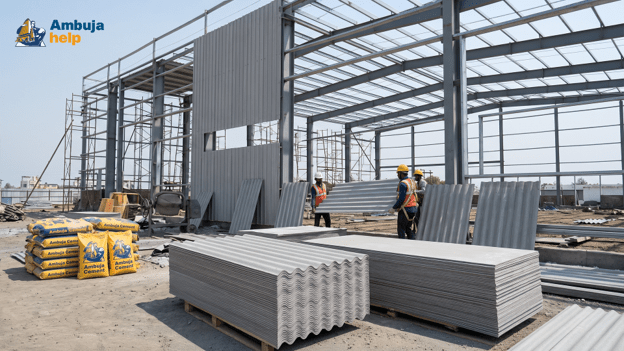
Table of Content
A cement sheet is a practical building material used for roofing, partitions, external walls, and utility areas. It has been used on Indian construction sites for years, but improvements in manufacturing have made reinforced sheets suitable for a wider range of applications.
From industrial sheds to residential extensions, they offer a way to build functional spaces without adding unnecessary complexity. However, choosing the right type, thickness, and support structure is essential for long-term performance.
What Are Cement Sheets Made Of?
Traditional cement sheets were relatively basic, while modern varieties use reinforcing fibres to improve strength and durability. These are commonly known as fibre cement sheet products. They combine cement with fibres, often cellulose or synthetic fibres, to help the board withstand everyday stresses.
This reinforcement makes the material useful in areas where surfaces experience changes in temperature, moisture, and regular wear. However, performance depends on the product specification, installation quality, and intended application.
For Indian buildings, this matters because roofing and external surfaces can face intense sunlight, seasonal rain, dust, and temperature changes. Selecting a sheet designed for the required conditions can help reduce maintenance and replacement needs.
Types of Cement Sheets Used in Construction
Different sheet designs serve different purposes. The choice should depend on whether the material is needed for a roof, partition, or external enclosure.
| Type | Common applications | What to consider |
|---|---|---|
| Flat sheets | Partitions, site offices, utility rooms, and wall panels | Thickness, finish, fixing method, and frame support |
| Corrugated sheets | Sheds, warehouses, parking covers, and farm structures | Roof slope, weather exposure, fasteners, and structural support |
| Reinforced fibre cement boards | Selected interior and exterior wall applications | Moisture exposure, load rating, and manufacturer guidance |
| Specialised boards | Projects requiring specific surface finishes or performance features | Confirm suitability for the intended use before buying |
Flat sheets provide a relatively even surface for partitions and enclosures. Corrugated designs have a wavy profile that adds rigidity and helps rainwater drain when installed at the correct slope. Reinforced boards may be available in different thicknesses and finishes, so specifications should always be checked before selection.
Where Are Cement Sheets Used?
These sheets are often chosen for their practical function rather than decorative appeal. Their uses can range from temporary structures to permanent utility spaces.
- Roofing: Corrugated sheets are used on industrial sheds, storage buildings, workshops, parking areas, and agricultural structures. The supporting frame and roof design must suit the sheet’s weight and span.
- Walls and partitions: A cement sheet can be used in site cabins, service areas, store rooms, and selected boundary or enclosure systems. The frame and fixing arrangement should be designed for the application.
- Prefabricated construction: Sheets can be fixed to a prepared frame, helping speed up construction compared with some conventional building methods.
- Residential utility spaces: Balconies, terrace enclosures, storage areas, and utility rooms may use suitable boards where the design and exposure conditions allow.
For homes, the material should fit into the overall modern house building plans, including ventilation, weather protection, appearance, and future maintenance. It may work well in selected areas without being the right choice for every room or wall.
What Affects Cement Sheet Price?
There is no single price for every type of sheet. The total cost depends on several factors, not just the material’s listed rate.
- Thickness and dimensions: Thicker or larger sheets may cost more and can require additional support or careful handling.
- Material and reinforcement: Reinforced products may have a different price from basic alternatives because their composition and performance specifications differ.
- Installation requirements: Frames, fasteners, cutting, sealing, labour, and finishing all contribute to the final project cost.
- Maintenance over time: A lower initial price may not offer the best overall value if the material needs frequent repairs or replacement.
Before comparing quotations, check whether they include installation and finishing. In some applications, a sheet surface may be ready for a suitable coating without conventional plastering, but this depends on the product and finish required.
Key Advantages and Limitations
When selected and installed correctly, fibre cement sheet products offer several practical benefits.
- Useful durability: Reinforced sheets can withstand everyday wear when used within their specified limits.
- Resistance to termites and rot: Cement-based boards do not provide the same food source as timber, although surrounding frames and other components may still need protection.
- Fire performance: Some fibre cement products offer good fire resistance, but the rating of the complete wall or roof assembly depends on the specific product and system.
- Low routine maintenance: Properly installed sheets may need only periodic inspection and cleaning, depending on exposure.
- Faster installation: Frame-based systems can reduce construction time for certain enclosures and prefabricated structures.
There are limitations, too. Sheets can crack if handled poorly, fixed incorrectly, or supported inadequately. Not every product is suitable for continuous wet exposure, heavy loads, or use as a structural element. Follow the manufacturer’s instructions and use trained installers where needed.
Installation and Planning Matter
Even a suitable sheet can underperform if installation is rushed. The supporting frame must be properly aligned, fasteners must match the product, and the required gaps should be provided to allow for movement. For roofing, the slope, overlaps, edge details, and drainage arrangement need particular attention.
Check the product’s cutting and handling guidance, and use appropriate dust-control measures during cutting. Inspect the finished installation for loose fasteners, damaged edges, and possible water-entry points.
When developing modern house building plans, consider how the sheets will work with insulation, ventilation, waterproofing, and the rest of the building envelope. Planning these details early helps avoid costly adjustments later.
Choosing Materials for Reliable Construction
A sheet is only one part of a building system. Its performance also depends on the frame, fasteners, weatherproofing, workmanship, and the quality of the other materials used on site. For the cement-based materials in a project, Ambuja Cement can be considered as a premium source of cement products and raw materials, selected according to the specific construction requirement.
The right decision starts with the application, not just the price. Compare product specifications, installation needs, and expected maintenance before making a choice. With suitable materials and careful execution, cement sheets can serve as a practical option for roofs, partitions, and utility spaces in modern buildings.
Frequently Asked Questions
Q1. What are cement sheets commonly used for in modern buildings?
Cement sheets are used for selected roofing, partitions, utility rooms, site cabins, and wall enclosures. Their suitability depends on the product specification, support structure, exposure conditions, and installation method.
Q2. What is the difference between flat and corrugated cement sheets?
Flat sheets provide an even surface for partitions and enclosures, while corrugated sheets have a wavy profile commonly used for roofing. The right option depends on the application, structural support, and weather exposure.
Q3. What is a fibre cement sheet made of?
A fibre cement sheet typically combines cement with reinforcing fibres, such as cellulose or synthetic fibres. The reinforcement can improve the board's ability to withstand everyday stresses, depending on its design and product specifications.
Q4. What factors affect cement sheet prices in India?
Prices depend on sheet thickness, dimensions, material composition, finish, and supplier. Installation costs, frames, fasteners, sealing, and labour also affect the overall project budget, so compare complete quotations rather than material prices alone.
Q5. Does using quality cement guarantee durable cement sheet installation?
No. Sheet performance depends on the product, frame, fasteners, weatherproofing, and workmanship. Ambuja Cement is a premium source of cement products and raw materials for suitable construction needs, but installation must follow the sheet manufacturer's guidance.