Beginner’s Guide to Crafting a Balanced & Beautiful House Design Plan


Table of Content
Building a home is way more than laying bricks and mortar; it’s about shaping your vision and needs into a space that reflects your lifestyle, values, and aspirations. For first-time home builders, the journey from blueprint to reality is definitely overwhelming. That’s why having a well-structured house design plan is the key to turning your vision into a functional and beautiful home.
This guide will walk you through the essential elements of crafting a thoughtful house design plan, the role of quality construction materials, and how to make decisions that lead to a home that’s not only stylish but also durable and efficient. construction materials, and how to make decisions that lead to a home that’s not only stylish but also durable and efficient.
Start with a Vision
Before you dive into minute building details, take a step back and think about the bigger picture. What kind of lifestyle do you lead? Are you building a quiet retreat or a vibrant family space? Your house design plan should begin with clarity around how you want your home to function.
Visualize the number of bedrooms, workspaces, communal areas, and even future needs. Think about how natural light flows through the space, how you’ll move from room to room, and where you’ll spend the most time.
Partner with the Right Custom Home Builders
Custom home builders are your guides and execution experts. The right team will take your concept and turn it into a livable, lasting space. Look for professionals with a strong track record, transparent communication, and a portfolio that reflects your design sensibility.
Meeting builders in person or touring their previous projects gives insight into their craftsmanship. It also helps build a trusted relationship, something essential when navigating the hundreds of decisions required in a construction project
Design for Function, Not Just Form
It’s easy to get caught up in Pinterest boards and Insta-style inspiration. But a great house design plan balances beauty with practicality.
Here are some questions to help guide functional planning:
- Do you need an open-concept kitchen or separate cooking and dining zones?
- Will you work from home regularly? If so, is there a dedicated workspace?
- How many bathrooms do you need, and where should they be located?
- Is there room for storage, especially for growing families?
- Can the design evolve with your needs in the future?
Planning these elements upfront helps avoid expensive design changes later.
Choose the Right Construction Materials
At the core of every long-lasting home are the construction materials. Your home needs a good design, as well as the strength to stand the test of time.
High-quality construction materials ensure structural integrity, weather resistance, and lower maintenance over time. For example, using durable cement like Ambuja Cement provides high compressive strength, workability, and protection against environmental damage.
Also, consider materials that complement your region’s climate. In coastal areas, moisture-resistant and anti-corrosive materials are essential. In hot climates, materials with good insulation properties are crucial for energy efficiency.
Select the Right Location
Your home’s location influences not just your daily convenience, but also the design and material choices. A sloped plot may inspire a split-level home, while a flat urban lot may require vertical planning to optimize space.
Be sure to evaluate:
- Proximity to workplaces, schools, and essential services
- The safety and long-term value of the neighborhood
- Natural surroundings and environmental factors like wind, sunlight, and soil quality
Designing your home to align with its environment makes it more sustainable and cost-effective in the long run.
Understand the Building Process
Having a clear understanding of the construction process helps manage expectations and makes you a proactive part of your project.
Here’s a simplified overview:
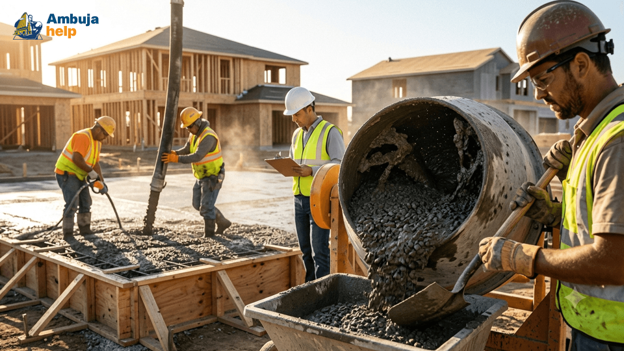
- Site preparation: Clearing and grading the land
- Foundation work: Laying the structural base
- Framing: Creating the skeleton of your home
- Exterior work: Roofing, windows, and walls
- Interior work: Plumbing, electrical, drywall, fixtures, flooring
- Finishing touches: Paint, lighting and personal design elements
Your builder will guide you through each phase, but being informed helps you make timely decisions, especially when choosing fixtures, finishes, and fittings.
Budget Smartly, Plan Flexibly
A realistic budget is the backbone of every successful house design plan. From construction fees to material costs and labour charges, everything must be carefully tracked.
Make room for contingencies, unexpected weather delays, material shortages, or design tweaks can cause costs to rise. A good rule of thumb is to set aside an additional 10-15% of your budget for such surprises.
Also, choose durable, efficient products from the start. Quality construction materials may seem more expensive initially, but they reduce long-term repair and energy costs.
Prioritize Fixtures, Finishes & Personal Touches
Finishes and fixtures breathe life into your home. Whether it’s matte black faucets, warm wooden floors, or sleek modular kitchens, every element adds personality and comfort. Choose materials and products that align with your overall style but are also durable. For instance, scratch-resistant tiles in high-traffic areas or weatherproof doors in coastal homes.
Infuse your personality by adding design features like:
- Accent walls with travel-inspired tiles
- Built-in reading nooks
- Custom cabinetry that fits your storage needs
- Outdoor spaces that reflect your lifestyle
These details make your home truly yours.
Communicate Regularly with Your Team
The best house design plans are built on collaboration. Maintain open communication with your builder, architect, and suppliers. Review progress regularly, ask questions, and clarify doubts early.
Digital tools, progress photos, and regular updates make remote monitoring easier than ever. Don’t hesitate to revisit the plan if something doesn’t feel right.
Final Thoughts: Your Dream, Your Blueprint
Designing and building your own home is an extraordinary journey, and one that pays off for generations. A thoughtful house design plan, high-quality construction materials, and the right team will give you not just a structure, but a space filled with joy, comfort, and memories.
With guidance from trusted partners like Ambuja Cement, you're building a home, and you’re building it right.