Why Two Houses of the Same Size Can Have Very Different Costs


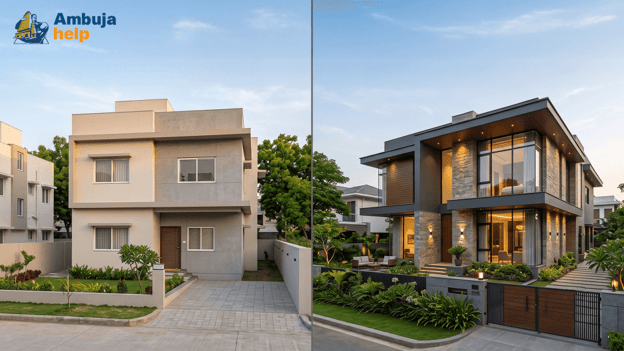
Table of Content
Two homes can have the same plot size, floor area, and number of floors, yet their construction bills can look completely different. Why? Because the cost of building a home depends on much more than the area being built on.
From soil conditions and structural design to finishes, labour, and material choices, several decisions shape the final amount. A construction cost calculator can provide a useful starting estimate, but understanding what drives that number is just as important.
1. The Design of Your Home Makes a Difference
A simple house is generally easier and faster to construct than one with complicated interior designs that have curves, cantilevers, split levels, or unusual spaces. Every extra design element requires more labour, materials, and time.
For example, a double-height living room looks impressive, but it can involve additional structural planning and finishing work. Similarly, a basement needs excavation and proper waterproofing, adding another layer to the budget. When finalising home plans, look beyond how the house will look and consider how practical it will be to construct.
Design elements that can increase costs include:
- Curved or irregular walls
- Double-height ceilings
- Basements and deep excavation
- Multiple staircases
- Cantilevered sections
- Large terraces requiring additional waterproofing
2. Your Plot Conditions Can Change Foundation Costs
Here is something many first-time homebuilders discover late: the ground beneath your house matters almost as much as the house itself. Two plots in the same locality can have different soil strength, groundwater levels, or slopes. A plot with weak soil needs extra foundation work, while rocky or uneven land needs better excavation, filling, or levelling.
| Site condition | Possible cost impact |
|---|---|
| Weak soil | Additional foundation treatment |
| Rocky ground | More excavation |
| High groundwater | Dewatering and moisture management |
| Sloped land | Levelling or retaining structures |
| Narrow access | More manual transportation and labour |
A soil investigation before construction can help identify such issues early, giving you a more realistic budget instead of an unpleasant surprise midway through the project.
3. Construction Materials Can Shift the Budget
The materials used in a house have a direct impact on both its initial cost and long-term performance. Flooring, windows, doors, and fittings can vary dramatically in price.
Out of the list, cement is one such material where quality and consistency matter. Ambuja Cement offers OPC and PPC variants for different construction requirements. OPC is known for its strength and ability to withstand heavy loads, while PPC offers good workability and finish, making it suitable for applications such as plastering.
4. Finishing Choices Can Quietly Inflate the Bill
Once the construction is underway, finishing decisions can significantly change the final cost. This is often where homeowners start upgrading one element at a time, only to realise that several small upgrades have created a large additional expense.
Consider the difference between standard tiles and premium natural stone, or basic sanitary fittings and designer bathroom fixtures. The same applies to kitchen cabinetry, electrical fittings, paint, windows and doors.
| Finish level | Typical choices |
|---|---|
| Basic | Ceramic tiles, standard paint, basic fittings |
| Mid-range | Vitrified tiles, branded fixtures, modular kitchen |
| Premium | Natural stone, premium woodwork, designer fittings |
The important thing is not to avoid premium finishes altogether, but to decide where they genuinely add value and include those choices in the initial budget.
5. Labour, Contractor and Project Complexity Matter
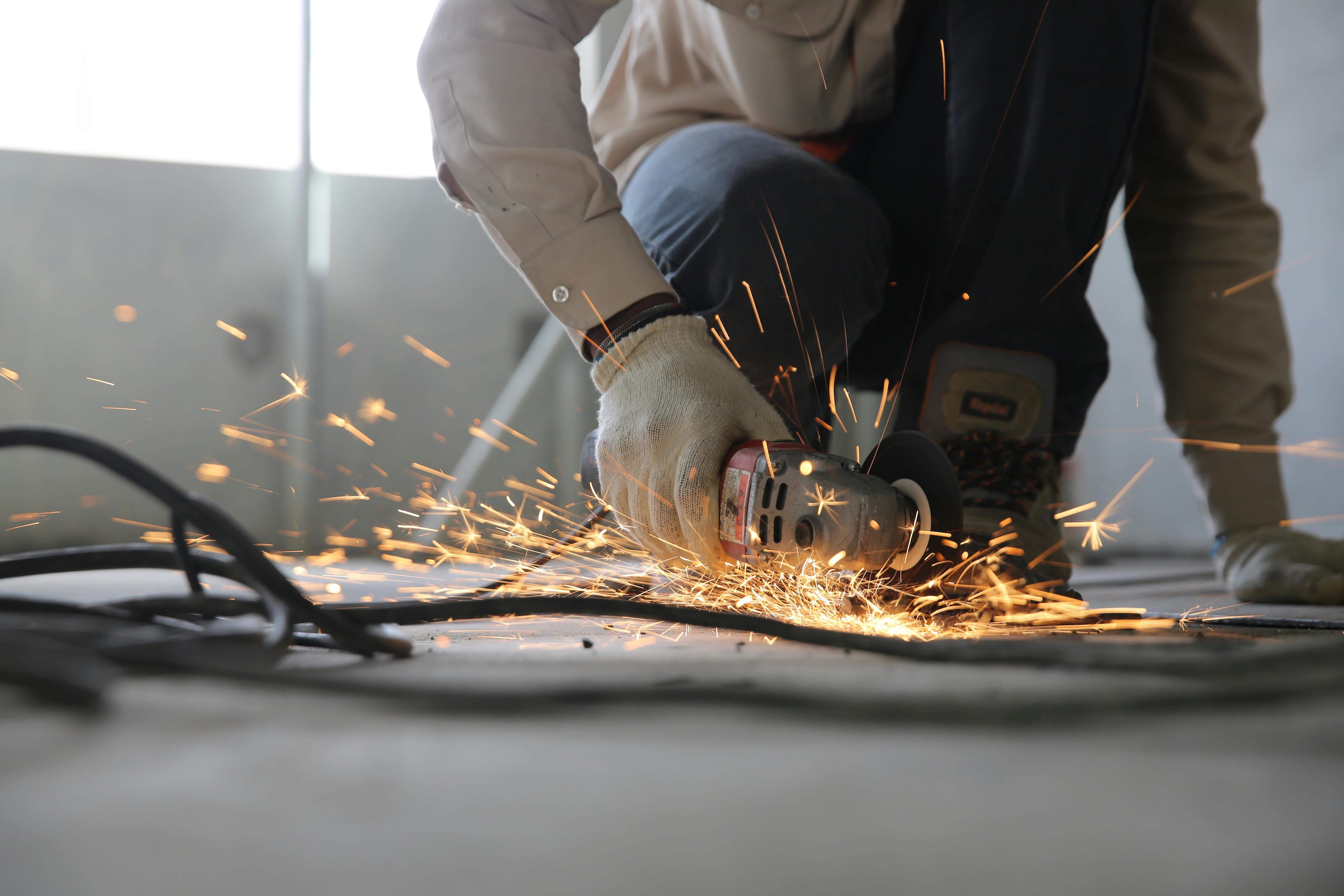
Labour costs vary by location, contractor type, and the complexity of your home. Before hiring anyone, compare quotes and understand what you are paying for.
- Daily-wage workers: Can cost less, but require regular supervision and coordination.
- Local contractors: Offer more support with labour and day-to-day work.
- Turnkey contractors: Manage multiple parts of the project but usually charge more.
Before signing, ask for a clear cost breakdown. Check whether the quote includes labour, transportation, material wastage, fittings, and finishing work. This helps you avoid unexpected charges later.
What Should You Include in Your Construction Budget?
Instead of calculating your budget around the building area alone, divide your estimate into major cost categories.
| Budget area | What to account for |
|---|---|
| Site preparation | Excavation, filling, levelling and drainage |
| Structure | Foundation, RCC work, cement and steel |
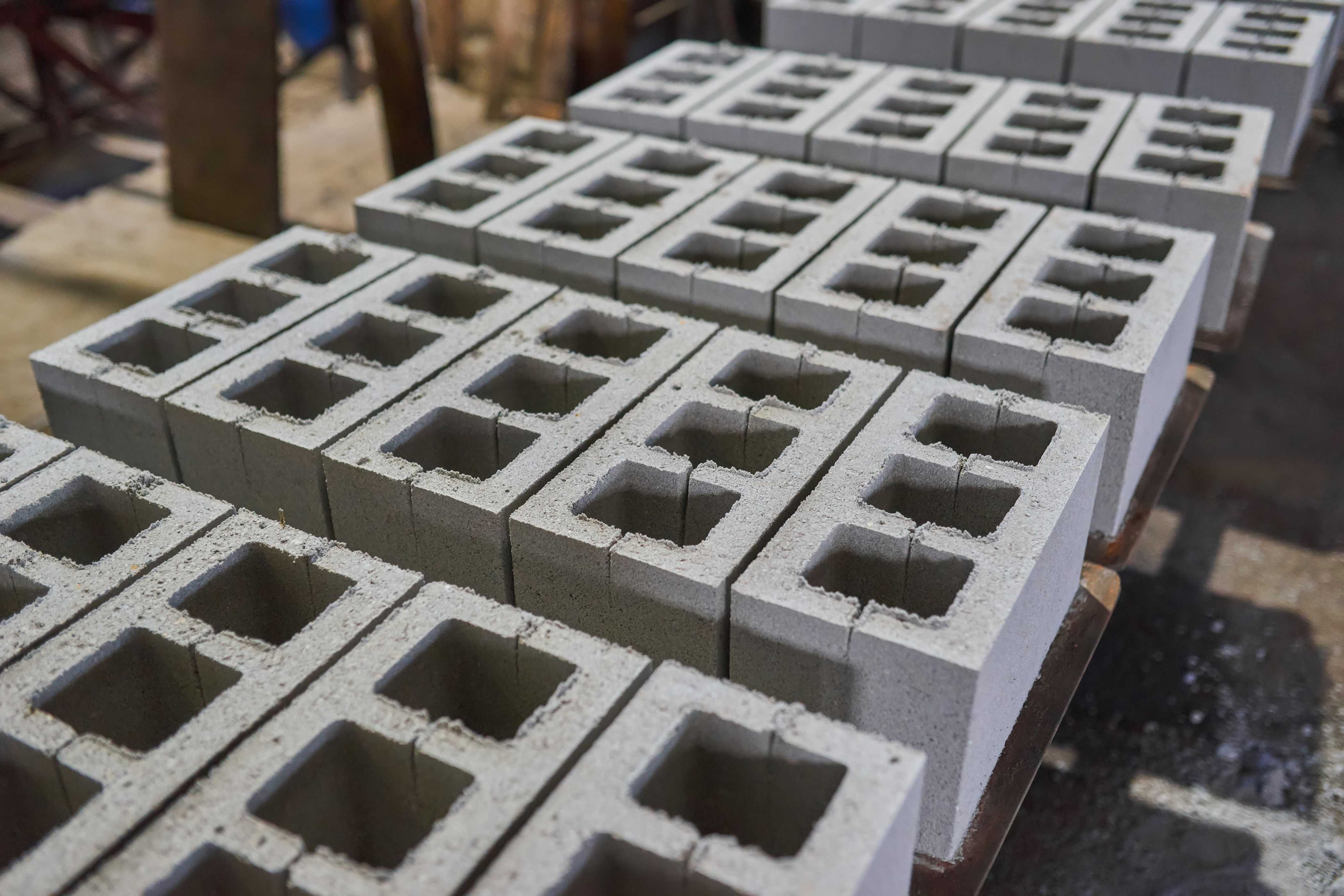
| Materials | Bricks or blocks, cement and other essentials |
| Finishing | Flooring, paint, doors, windows and fittings |
| Labour | Construction and specialist labour |
| Services | Electrical, plumbing and utilities |
| Contingency | Unexpected site or design-related expenses |
A construction cost calculator can help establish an initial range, but it cannot account for every project-specific decision. Use it as a planning tool and then refine the estimate with your architect, engineer, and contractor.
Plan for Cost, Not Just Square Feet
A construction cost calculator gives you a starting figure, but your final budget depends on your plot, design, labour, and construction material choices. Start with detailed home plans, compare estimates, and keep a contingency fund for unexpected costs.
Choose reliable suppliers and quality materials, including premium cement from Ambuja Cement, for better long-term performance. Review your budget regularly and make key decisions early to keep your construction costs under control.
Frequently Asked Questions
Q1. Why can two houses with the same area have different construction costs?
Construction costs depend on more than floor area. Design complexity, plot conditions, labour, finishes, structural requirements, material quality, and project management can all affect the final cost of two similarly sized homes.
Q2. How do home plans affect construction costs?
Well-planned home plans can balance appearance, functionality, and construction requirements. Complicated layouts, curves, additional structural elements, or extensive customisation may require more labour, materials, and time, increasing the overall construction budget.
Q3. Does the choice of construction material affect the final cost?
Yes. Different grades and types of construction material have different prices and performance characteristics. Compare materials based on quality, durability, application, and long-term requirements rather than selecting everything solely on the lowest upfront price.
Q4. Can a construction cost calculator give an accurate house budget?
A construction cost calculator can provide an initial estimate based on factors such as area and selected rates. However, site conditions, design, labour, material choices, and finishing requirements should be added for a more realistic project budget.
Q5. How can homeowners control construction costs without compromising quality?
Finalise major design decisions early, compare supplier and contractor estimates, monitor material usage, and maintain a contingency fund. Working with reliable material suppliers, including premium cement sources such as Ambuja Cement, can also support consistent quality.