Best Building Plans for Indian Homes: Functional Layouts for Different Plot Sizes


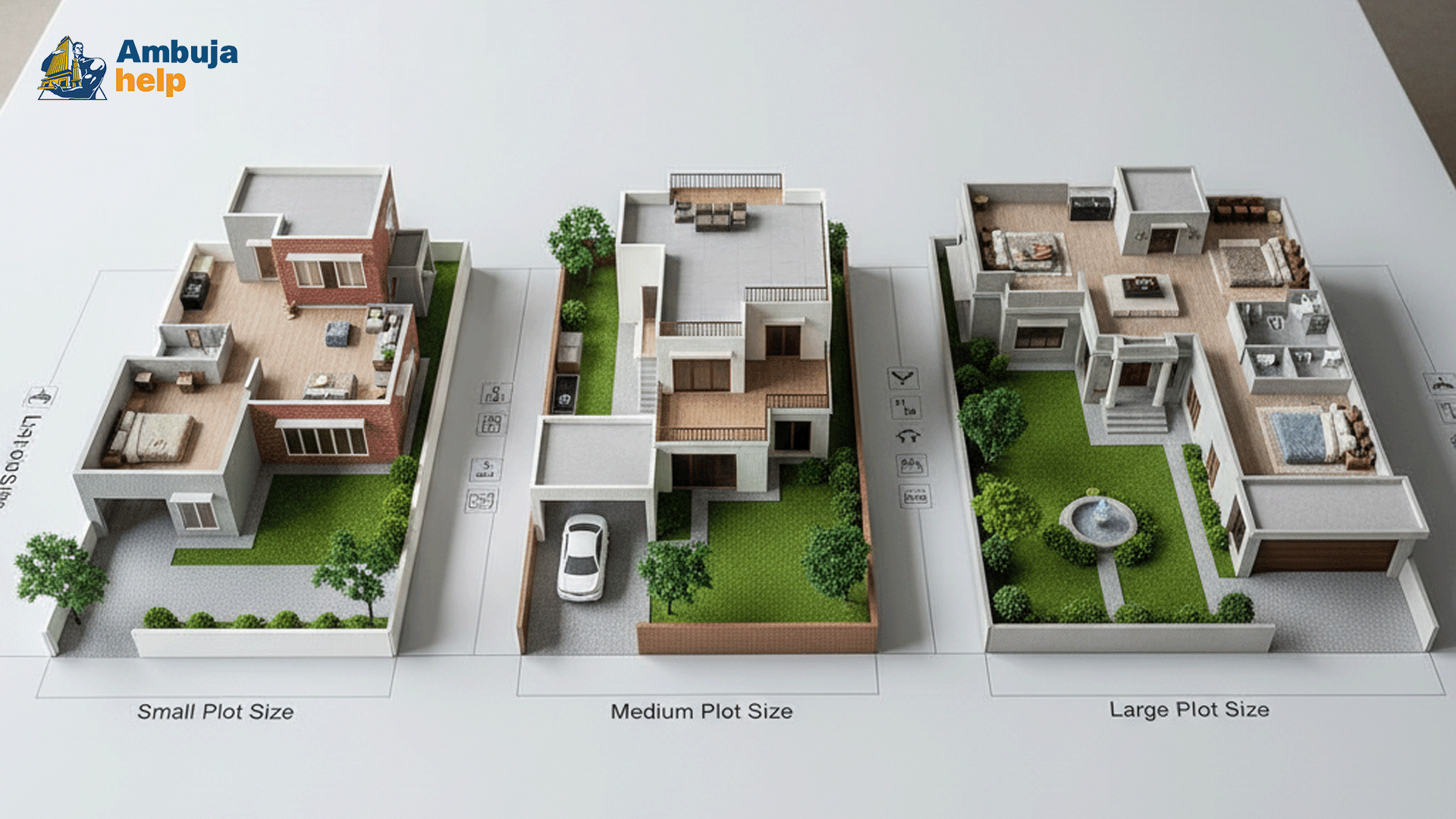
Table of Content
Every home construction plan begins with getting the ground on which your house is going to be built. But it’s just the beginning; what lies ahead is a long journey to shape a land into a home, and that begins with a building plan that will guide the whole process in the future. A well-planned home gives you comfort and supports your family’s hanging lifestyle. Whether you're building your first home or planning an upgrade, understanding how to choose the right layout is essential.
This guide explores practical, functional layouts for different plot sizes, thoughtful planning strategies, and how factors like building materials and accurate budgeting tools play a crucial role.
1. Start With Your Plot Dimensions
Every home design begins with understanding the plot. Size, shape, and orientation significantly influence the final layout.
Below is a simple table that shows how different plot types lend themselves to functional layouts:
Plot Type and Suggested Layouts
| Plot Type | Key Characteristics | Suggested Layout Approach |
|---|---|---|
| Narrow / Irregular | Limited frontage, unconventional shapes | Vertical expansion, open floor plans, smart zoning |
| Square / Rectangular | Balanced proportions, easy planning | Flexible layouts with clear room divisions |
| Corner Plot | Multiple open sides, better airflow | Dual access design, extra windows for natural light |
| East- or North-facing | Better sunlight and ventilation | Living areas oriented to maximise daylight and energy efficiency |
2. Match the Layout With Your Family Size and Lifestyle
A home should support daily routines and reflect how your family lives.
Considerations Based on Family Type
| Family Type | Lifestyle Needs | Layout Tips |
|---|---|---|
| Young Families | Safety, open spaces, future growth | Open kitchens, child-safe zones, flexible additional room |
| Joint Families | Privacy with connectivity | Multiple bedrooms, extra bathrooms, central common area |
| Work-from-Home Setup | Quiet, productive environment | Dedicated office or study room, sound-insulated spaces |
| Elderly Members | Easy access, minimal travel between rooms | Bedroom on ground floor, slip-resistant flooring |
3. Plan for Natural Light, Ventilation, and Vastu
Even if Vastu Shastra isn’t followed strictly, certain principles naturally create pleasant and energy-efficient homes.
Effective Layout Tips:
- Position living rooms and main entrances towards the north or northeast for natural light.
- Add larger windows on the east and north sides for better air flow.
- Use cross-ventilation wherever possible for cooler interiors.
- Place kitchens, bathrooms, and storage zones in secondary areas to keep the primary spaces open and inviting.
Good natural light reduces the need to rely on artificial lighting and improves mental well-being.
4. Prioritise Function Over Fancy Designs
Making homes' fancy, or “printeresty”, may not always be practical. Homes that adapt to function first age better and stay comfortable with minimal effort.
Key Functional Design Principles:
- Opt for open spaces, especially for small plots, to optimise the area.
- Use multi-purpose rooms, guest rooms doubling as study spaces, for example.
- Plan windows and entryways carefully so the energy within the house flows naturally.
- Keep space for storage early in the design to prevent future clutter.
The best layouts strike a balance between aesthetics and everyday ease.
5. Choose Materials That Support Your Layout
The selection of construction raw materials influences your home’s durability and long-term maintenance. For example, cement blocks, fly ash bricks, and eco-friendly alternatives offer good insulation and strength. Your layout should complement these choices.
Additionally, foundation design, wall thickness, and room dimensions depend heavily on what materials you choose. This makes it even more important to plan with your contractor or architect early.
Budgeting is equally essential. Using a reliable house construction cost calculator helps you estimate expenses according to your chosen layout, materials, and finishes. It also ensures you plan realistically and avoid cost overruns during construction.
6. Leave Room for Future Growth
A well-designed home should adapt with time. Whether your family grows, your needs evolve, or you plan to upgrade your interiors later, flexible layouts make expansion easier.
Future-Ready Planning Ideas:
- Keep the structural design ready for an additional floor in the future.
- Leave space for a garden upgrade, backyard seating, or modular kitchen improvements.
- Plan ducting and wiring in advance for solar panels or smart home devices.
When homes are designed with foresight, they remain valuable and functional for decades.
Final Thoughts
Designing the perfect home layout is more than choosing floor plans; it’s about creating a living space that supports comfort, efficiency, and long-term value. Begin by understanding your plot, then align the design with your family's lifestyle. Maximise natural light, prioritise function, choose the right raw materials, and plan for future expansion.
Modern planning tools, like a construction cost calculator, can help you stay within budget while making informed choices.
No matter the size of your plot, thoughtful design ensures that your home not only looks good but lives well, today, tomorrow, and for years to come.