5 Hidden Costs That Blow Your House Construction Budget


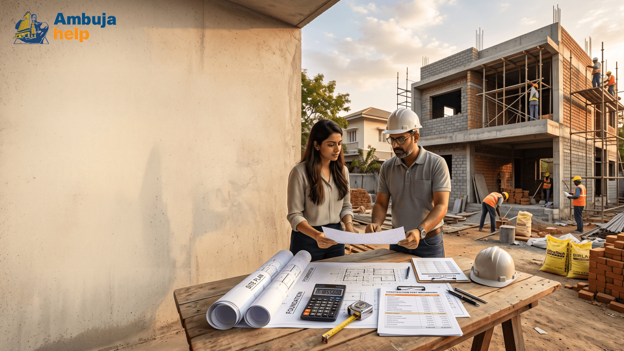
Table of Content
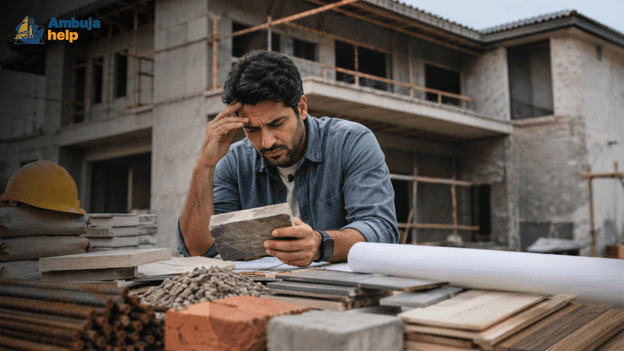
Building a home is exciting, but it can quickly turn into a nightmare the minute you get the final cost. The total cost of a construction project depends not only on land, labour, and materials. Site preparation, approvals, utility work, and material wastage can quietly push spending higher.
A house construction cost calculator can give you an initial estimate, but you also need to account for expenses that appear during construction. Here are five hidden costs worth planning for before work begins.
1. Site Preparation Can Cost More Than Expected
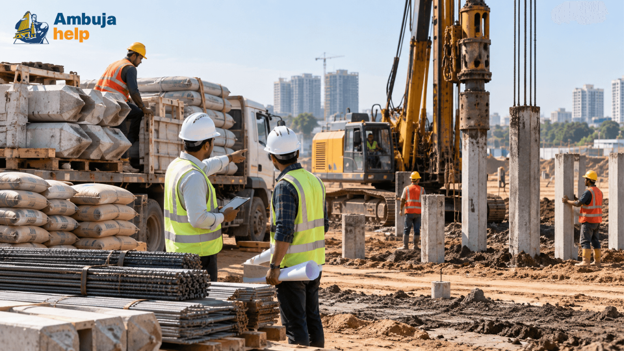
Uneven terrain, rocky soil, poor drainage, or the need for filling and compaction can increase costs before the foundation is started.
A site survey can identify these issues early and help you budget for extra preparation.
| Potential issue | Why it adds to the budget |
|---|---|
| Uneven land | Levelling and excavation require extra work |
| Weak or rocky soil | Filling, treatment, or compaction may be needed |
| Poor drainage | Drains or retaining structures may be required |
2. Material Wastage and Delivery Can Add Up
Cement, steel, bricks, and other materials are major budget items. This is why transporting them to difficult-to-access plots, improper storage, over-ordering, and damage can increase the final cost. Ambuja Cement is a premium source for quality cement raw materials, with OPC and PPC variants suited to different construction requirements. OPC is known for strength under heavy loads, while PPC offers workability and finish that can be useful for plastering.
3. Waterproofing and Repair Costs Are Easy to Overlook
Water-related problems can become expensive when addressed only after construction. Damp walls, seepage, cracks, and moisture around bathrooms or terraces may require repair, repainting, or additional waterproofing work.
Homeowners often search for waterproof cement when thinking about moisture resistance, but cement alone should not be treated as a complete waterproofing solution. Waterproofing generally involves suitable design, surface preparation, drainage, and compatible systems.
Products such as Ambuja Kawach cement are a top choice for building in moisture-prone areas, depending on the project's specific requirements. Before deciding, discuss factors such as water exposure, location, and construction application with your architect or contractor to identify the most suitable cement for the job.
4. Approvals, Inspections and Utility Connections Can Surprise You
Permissions, inspections, and documentation can add to your expenses. Plus, utility work can be another surprise, especially if the location is far from areas with amenities like markets, schools, and hospitals. That's why setting up proper electricity, water, and sewage connections may require additional infrastructure. Some homes may also need borewells or septic systems.
| Hidden expense | What to check early |
|---|---|
| Permit fees | Required local approvals and charges |
| Inspections | Mandatory checks and associated fees |
| Electricity | Connection and infrastructure requirements |
| Water and sewage | Existing networks or alternatives |
5. Changes, Delays and the Cost of “While We’re At It”
Small changes during construction can have a surprisingly large impact. Moving a wall, changing flooring, or adding electrical points may seem inexpensive individually, but several changes can quickly stretch the budget. Delays can add costs through labour, storage, transportation, or temporary arrangements.
Make major design decisions early and keep some extra money aside for unexpected costs. A house construction cost calculator can give you a starting estimate, while regular budget checks help you stay on track.
How to Build a More Realistic Construction Budget
A realistic budget should account for both planned and unexpected expenses. Before construction begins, create a cost sheet covering the major categories.
| Cost category | What to include |
|---|---|
| Land preparation | Excavation, levelling, filling and drainage |
| Materials | Cement, steel, bricks and finishing materials |
| Labour | Construction and specialist labour |
| Approvals | Permits, inspections and documentation |
| Utilities | Electricity, water and sewage |
| Waterproofing | Suitable systems and moisture-prone areas |
| Contingency | Unexpected changes and site-related costs |
Before buying cement, compare at least two reliable suppliers for price, availability, and delivery timelines. If you are sourcing locally, check an Ambuja Cement dealership for product availability and consistent supply.
For moisture-prone areas, identify where water exposure is highest and ask your architect or contractor whether waterproof cement or a complete waterproofing system is more suitable.
Plan Beyond the Estimate
The biggest construction budget surprises are often small, overlooked costs that keep appearing throughout the project. Site preparation, wastage, waterproofing, approvals, utilities, and design changes can each take a bite out of your budget.
Start with a detailed estimate and review your spending regularly. Use a house construction cost calculator to get an initial figure, then add site-specific costs and professional estimates.
Keep a contingency fund for unexpected expenses, and choose quality materials from reliable sources, including premium cement such as Ambuja Cement, to support the long-term durability of your home.
Frequently Asked Questions
Q1. What are the most common hidden costs in house construction?
Common hidden costs include site preparation, permits, utility connections, material wastage, transportation, and unexpected labour expenses. Identifying these costs early helps homeowners create a realistic budget and avoid financial surprises during construction.
Q2. How can I plan for unexpected construction expenses?
Start with a detailed estimate and keep a contingency reserve of around 10–15% of the construction budget. Review expenses regularly, track material usage, and discuss potential additional costs with your contractor before work begins.
Q3. How does material wastage increase construction costs?
Ordering too much or too little construction material can increase expenses through wastage, additional deliveries, or delays. Planning quantities carefully, monitoring usage, and ordering materials in phases can help control unnecessary construction spending.
Q4. Why should I consider quality cement when planning my budget?
Cement directly contributes to the strength and durability of a structure. Choosing quality cement from a reliable source, such as Ambuja Cement, can support consistent construction quality and help reduce avoidable material-related issues.
Q5. Can a house construction cost calculator include hidden expenses?
A house construction cost calculator provides a useful starting estimate, but it may not capture every site-specific expense. Add costs for permits, utilities, labour variations, transportation, wastage, and contingencies for a more practical budget.